

How long do tensile structures last is one of the most important questions before investing in an outdoor shading solution, At eurosys, we combine engineering expertise, premium materials, and precise installation to deliver durable structures that maintain their performance, appearance, and value for years while meeting demanding project requirements.
Ready to Start Your Next Project?
Get a free consultation and a detailed quote from EuroSys for Metal Industries. We handle design, fabrication and installation, from concept to handover.
What Is the Average Lifespan of a Tensile Structure?
Understanding the expected service life of a tensile structure helps you make informed investment decisions and select the right solution for your project, as follows:
- The average answer to how long do tensile structures last depends on membrane quality, structural engineering, environmental exposure, and maintenance practices, with many systems providing reliable service for decades when professionally designed and installed.
- High-quality tensile fabric structures commonly achieve service lives ranging between fifteen and thirty years, while premium membrane materials can exceed these expectations when combined with proper care and structural support.
- Tensile structure lifespan is significantly influenced by the quality of the supporting steel framework, connection details, and fabrication accuracy used during manufacturing and installation processes.
- Commercial tensile structures installed in public facilities, parks, educational campuses, and transportation areas often remain functional for extended periods because they are engineered for continuous use and environmental exposure.
- Property owners benefit from selecting weather-resistant tensile structures that are specifically designed to withstand ultraviolet radiation, temperature fluctuations, dust accumulation, and seasonal weather conditions.
- Professional material selection plays a major role in maximizing tensile structures durability because different fabrics offer varying levels of strength, flexibility, weather resistance, and long-term performance.
- Proper engineering calculations ensure that wind loads, structural movement, and tension distribution are accurately managed, helping the structure maintain stability throughout its operational lifespan.
- Choosing experienced contractors reduces risks associated with poor fabrication, installation errors, and premature wear that could shorten the structure’s expected service life considerably.
- Regular inspections allow minor issues to be addressed before they develop into significant structural concerns, preserving performance and protecting long-term investment value.
- When clients ask how long do tensile structures last, the most accurate answer is that lifespan depends on design quality, materials, maintenance, and environmental conditions working together effectively.
Which Materials Have the Greatest Impact on Tensile Structure Longevity?
Material selection directly affects performance, durability, appearance retention, and maintenance requirements throughout the service life of a tensile structure, as follows:
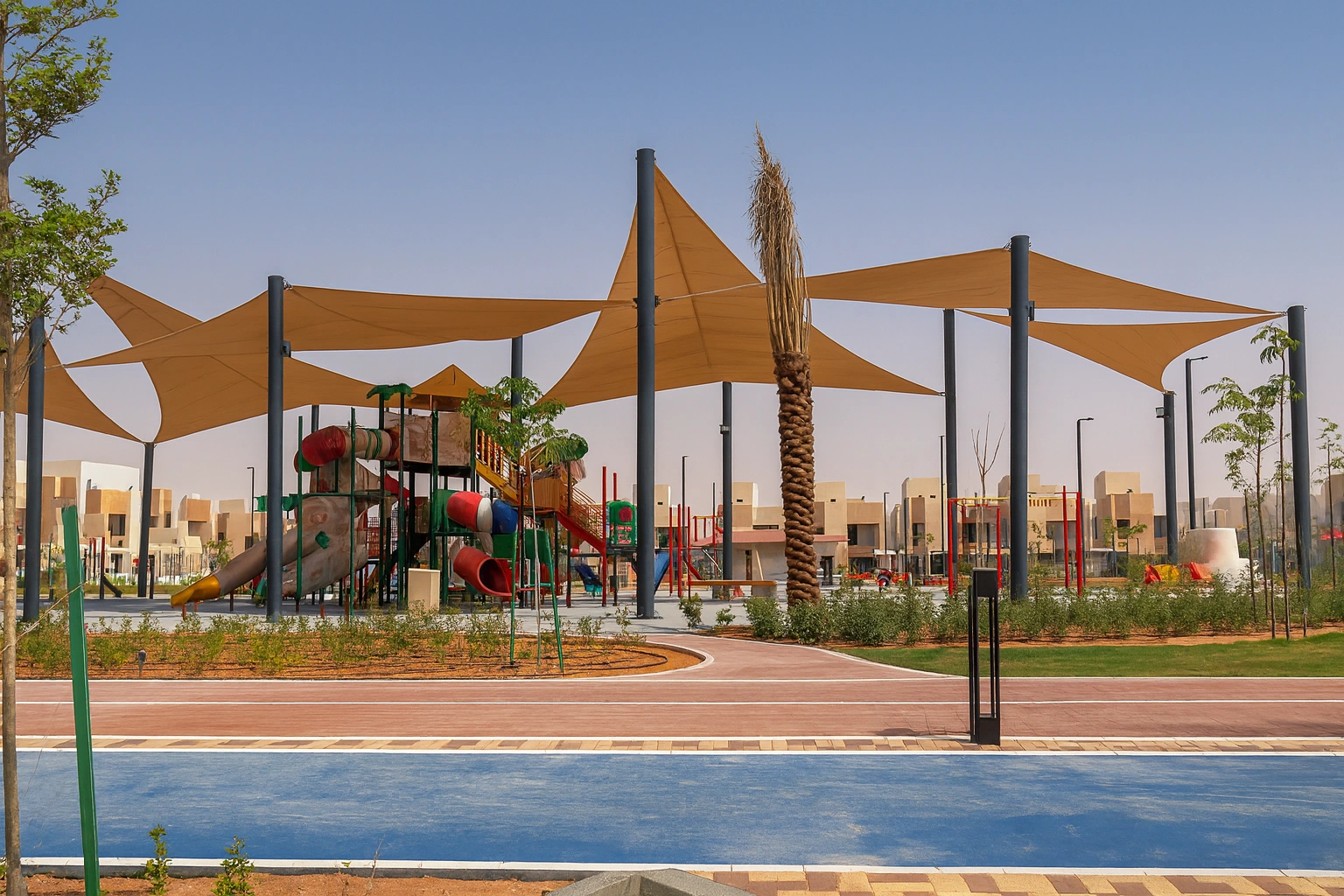
- PVC tensile fabric is widely used because it offers an effective balance between durability, flexibility, weather resistance, and affordability for a broad range of outdoor applications.
- PTFE tensile membrane is recognized for exceptional longevity, resistance to ultraviolet exposure, and superior performance in demanding environments requiring long-term structural reliability.
- The lifespan of tensile fabric varies according to coating technology, manufacturing quality, membrane thickness, and exposure to environmental conditions throughout the installation period.
- High-strength steel components provide the foundation for long-lasting shade structures by delivering structural stability and supporting membrane tension under varying operational loads.
- At eurosys, steel is used extensively within structural systems because it provides strength, reliability, and excellent performance for demanding outdoor environments.
- Protective finishing systems contribute significantly to durability, especially when exposed to sunlight, humidity, dust, and changing weather conditions over extended periods.
- Powder coating is commonly applied to exterior steel elements because it creates a durable protective layer that resists corrosion, fading, and environmental deterioration.
- Epoxy coating provides additional protection for structural surfaces, helping preserve appearance and performance while reducing maintenance requirements in challenging conditions.
- Quality welding, fabrication precision, and proper assembly methods ensure structural components work together effectively and support long-term operational stability.
- Selecting premium materials from the beginning often reduces lifetime ownership costs by minimizing repairs, maintenance interventions, and premature component replacement.
How Climate and Environmental Conditions Affect Tensile Structures
Environmental exposure plays an important role in determining durability and long-term performance for outdoor installations, as follows:
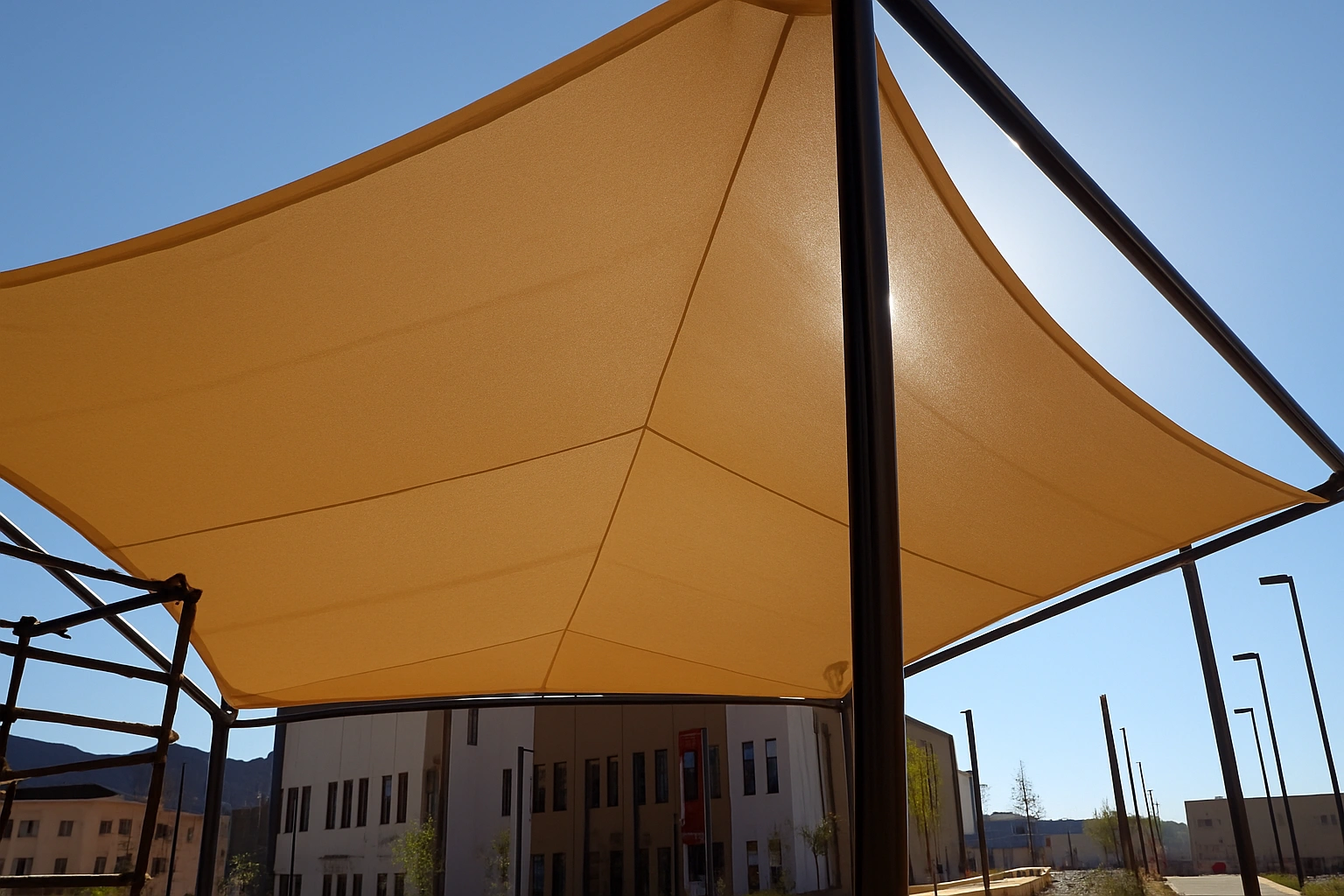
- Tensile structures in hot climates require specialized engineering solutions capable of handling prolonged sunlight exposure, elevated temperatures, and thermal expansion effects.
- Ultraviolet radiation can gradually affect membrane materials over time, making UV-resistant fabrics essential for maximizing service life and maintaining visual appearance.
- Wind loading is one of the most critical design considerations because improperly engineered structures may experience excessive stress that accelerates wear and material fatigue.
- Regions with frequent dust accumulation require routine cleaning practices to preserve membrane performance and maintain the aesthetic quality of outdoor shade structures.
- Moisture exposure can affect unprotected metal components, which is why advanced protective coatings are important for preserving structural integrity and appearance.
- Weather-resistant tensile structures are engineered to manage changing environmental conditions while maintaining safety, functionality, and long-term durability.
- Proper drainage design prevents water accumulation that could increase loads, create maintenance concerns, and negatively affect overall structural performance.
- Professional tensile structure design incorporates detailed environmental assessments to ensure each project is optimized for its specific location and operational requirements.
- Site-specific engineering allows structures to withstand local weather patterns more effectively, reducing the likelihood of premature deterioration and unexpected maintenance costs.
- Understanding environmental factors helps clients make informed decisions when selecting materials, coatings, and structural systems for long-term project success.
Why Professional Design and Engineering Matter for Long-Term Performance
The quality of engineering decisions made before construction begins often determines the future success and lifespan of the entire structure, as follows:
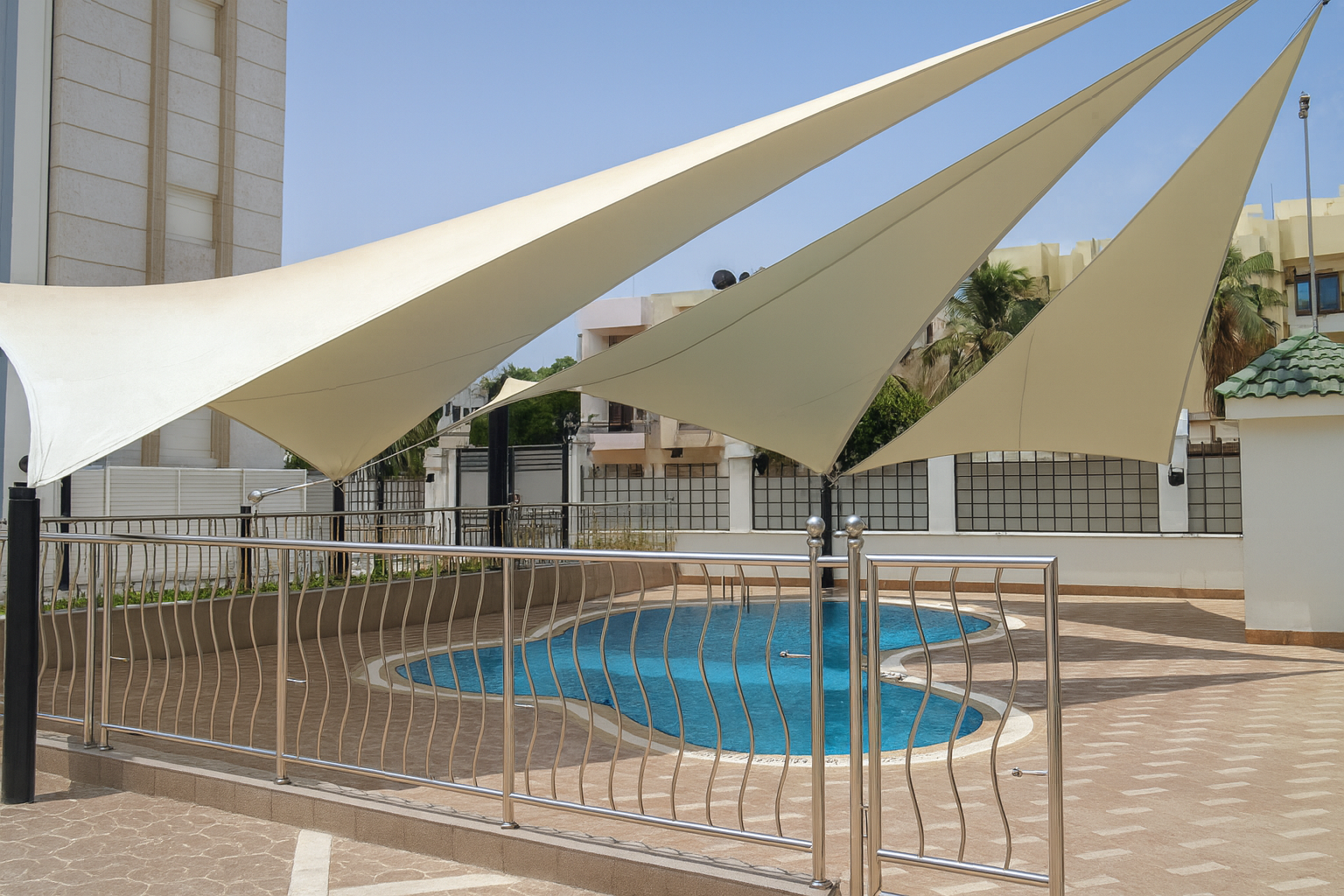
- Professional tensile structure design ensures accurate load calculations, proper tensioning, and balanced force distribution throughout the entire structural system.
- Engineering analysis helps identify potential performance challenges before fabrication begins, reducing risks and improving long-term operational reliability.
- Structural steel framework components must be designed to accommodate expected loads while maintaining stability and safety under varying conditions.
- Advanced design software allows engineers to develop customized solutions that meet both functional requirements and architectural objectives efficiently.
- Accurate wind load calculations help prevent structural stress concentrations that could negatively affect durability and service life over time.
- Proper connection detailing minimizes movement-related wear, protects structural integrity, and improves overall performance throughout the project lifecycle.
- Professional fabrication standards ensure each component is manufactured according to engineering specifications, supporting consistent quality and reliability.
- Experienced installation teams maintain design accuracy during construction, ensuring the completed structure performs exactly as intended.
- Thorough quality control procedures identify potential issues before project completion, reducing future maintenance requirements and operational disruptions.
- Clients who prioritize professional engineering often achieve greater long-term value because well-designed structures deliver consistent performance for many years.
Key Benefits of Tensile Shade Structures for Modern Outdoor Spaces
Modern outdoor projects require solutions that combine visual appeal, durability, functionality, and long-term value, as follows:
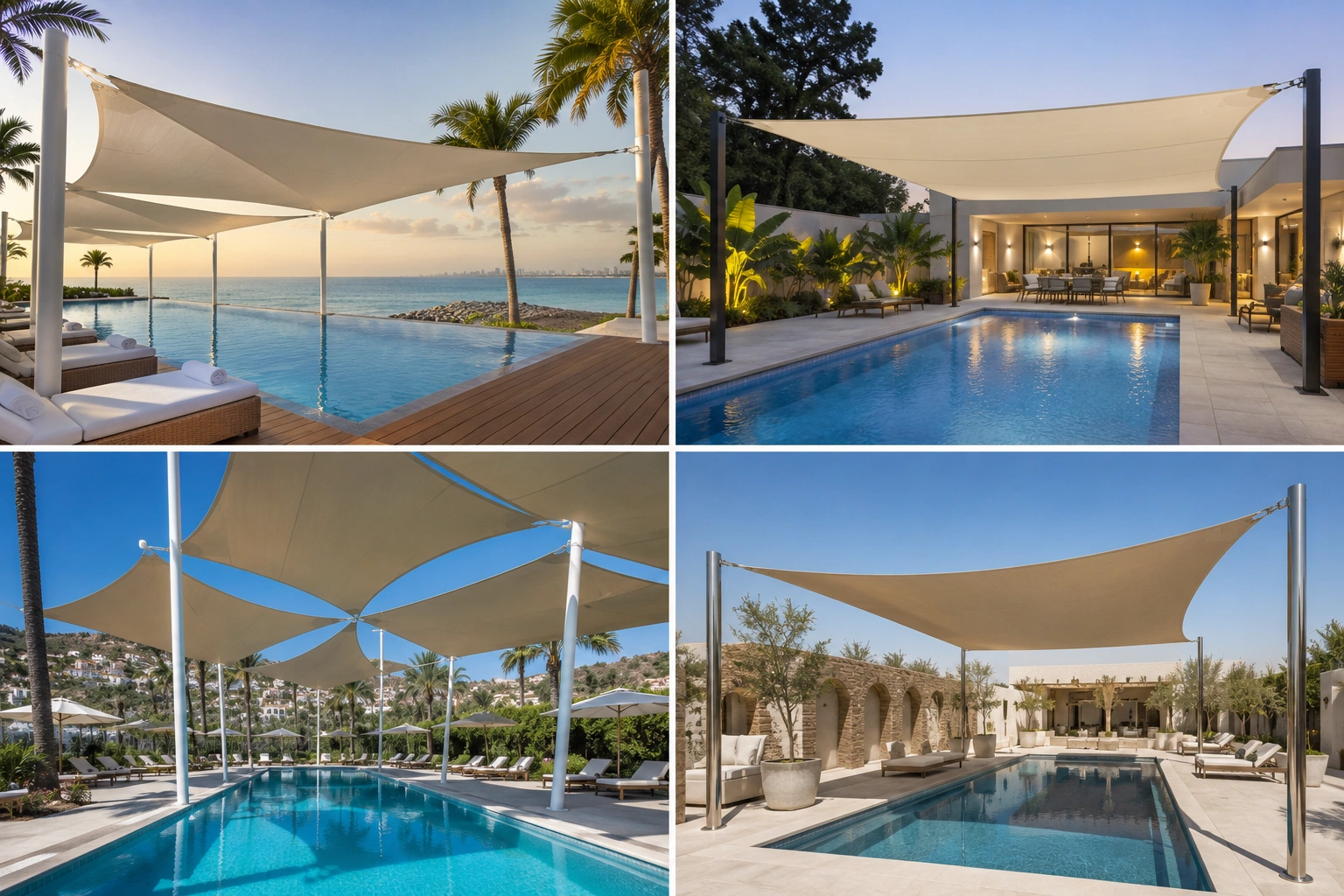
- Tensile Shades provide effective protection from sunlight while creating comfortable outdoor environments suitable for public, commercial, recreational, and private applications.
- Lightweight structural systems allow architects and property owners to achieve impressive spans without the visual heaviness associated with conventional construction methods.
- Contemporary designs enhance project aesthetics and contribute to a distinctive architectural identity that improves the overall appearance of outdoor spaces.
- Flexible design possibilities enable customized solutions tailored to site requirements, branding objectives, and functional needs across different project types.
- High-performance membranes support energy efficiency by reducing direct solar exposure and improving comfort in outdoor gathering areas.
- Durable materials help minimize maintenance requirements while providing reliable protection and consistent performance throughout the structure’s service life.
- Professional engineering ensures safe operation and dependable performance under demanding environmental conditions and long-term usage requirements.
- Modern fabrication technologies allow precise manufacturing that enhances quality, durability, and visual consistency across every project component.
- Property owners benefit from a cost-effective investment that combines functionality, architectural value, and long-term operational efficiency.
- Choosing a trusted specialist helps ensure the final solution meets performance expectations while supporting future growth and project development goals.
How Eurosys Delivers Durable Tensile Shade Solutions from Design to Installation
Delivering reliable outdoor solutions requires expert engineering, quality manufacturing, and professional installation across every project stage, as follows:
- Tensile Shades: Custom-designed and professionally installed tensile shade structures that provide durable sun protection, modern aesthetics, and long-term performance for commercial, public, and private spaces.
- Shades & Fences: High-quality shade and fencing solutions designed to enhance privacy, protection, and functionality for residential, industrial, and commercial properties.
- Steel Structures: Fabrication and installation of durable steel structures engineered to support industrial, commercial, and public projects with strength, stability, and lasting reliability.
In conclusion, understanding how long do tensile structures last helps you evaluate long-term value, maintenance requirements, and project performance, eurosys delivers engineered solutions built for durability, safety, and appearance, Choose quality materials, professional installation, and proactive maintenance to maximize your investment.
Frequently Asked Questions About How Long Do Tensile Structures Last
How long do tensile structures typically last?
When asking How long do tensile structures last, most high-quality systems typically provide reliable performance for 15 to 30 years, depending on material quality, environmental conditions, and maintenance practices.
What maintenance is required to maximize the lifespan of a tensile structure?
Regular cleaning, routine inspections, membrane tension checks, and timely repairs help maintain structural integrity, extend service life, and ensure consistent performance over time.
Are tensile structures suitable for harsh weather and high-temperature environments?
Yes, professionally engineered tensile structures are designed to withstand harsh weather, high temperatures, and environmental exposure through durable materials, protective coatings, and precise structural calculations.
Ready to Start Your Next Project?
Get a free consultation and a detailed quote from EuroSys for Metal Industries. We handle design, fabrication and installation, from concept to handover.
Get yours today and invest in professionally engineered tensile shade solutions designed for durability, comfort, and lasting value, Benefit from expert design, quality materials, reliable installation, and dependable support for your project.
Related Articles: