

What is tensile structure and why is it becoming a preferred choice for modern construction projects? If you are looking for a solution that combines durability, visual appeal, and efficient space coverage, understanding these innovative systems is essential, At eurosys, we deliver engineered structural solutions designed to meet diverse project requirements with long-term performance and quality.
Ready to Start Your Next Project?
Get a free consultation and a detailed quote from EuroSys for Metal Industries. We handle design, fabrication and installation, from concept to handover.
What Is a Tensile Structure?
Modern construction increasingly relies on innovative structural solutions that balance functionality and aesthetics, To better understand what is tensile structure, consider the following key points:
- A tensile structure is a lightweight construction system that achieves stability through tensioned membranes supported by engineered steel frameworks rather than heavy conventional roofing systems.
- The concept behind what is tensile structure involves distributing loads through tension forces, allowing large spans with fewer supporting columns and greater design flexibility.
- These structures are commonly designed using advanced engineering calculations that evaluate wind loads, membrane behavior, and long-term structural performance.
- High-quality membranes provide weather protection while contributing to the unique architectural appearance that distinguishes modern tensile architecture.
- Steel support systems create the structural backbone, ensuring durability, stability, and resistance to operational and environmental stresses.
- Tensile systems can be customized to suit commercial, public, industrial, and recreational developments with varying functional requirements.
- Advanced software modeling helps engineers optimize membrane geometry, drainage performance, and structural efficiency before fabrication begins.
- The combination of engineering precision and architectural creativity makes tensile structures an attractive solution for contemporary construction projects.
How Does a Tensile Structure Work?
Understanding how these systems function helps explain why they are increasingly used in modern developments, The answer to what is tensile structure becomes clearer through the following points:
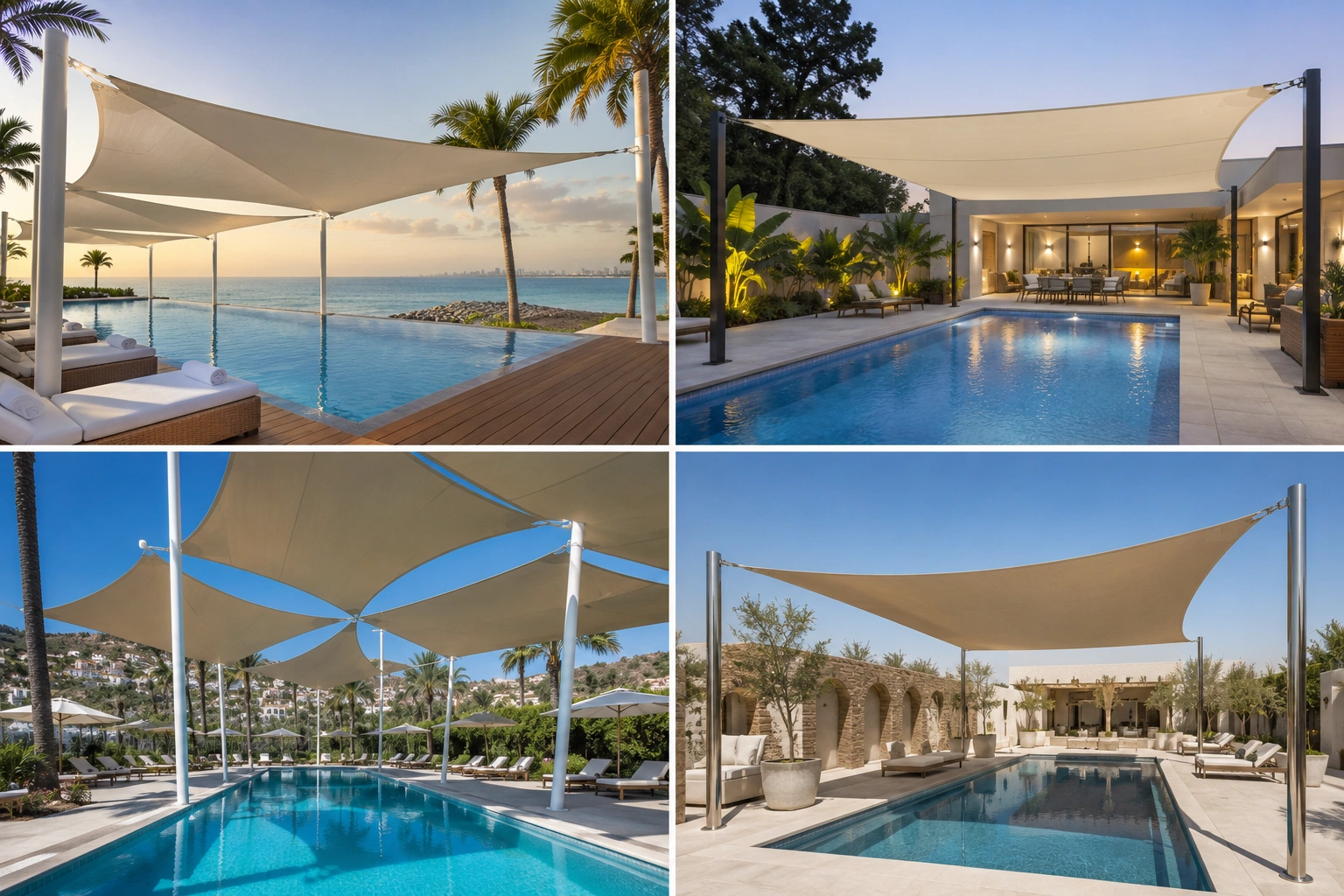
- Tensile structures work by stretching engineered membranes between strategically positioned support elements to create a stable and durable structural form.
- Carefully designed steel columns and support frames maintain the required tension levels and transfer loads safely to the foundation system.
- Membrane surfaces are engineered to distribute forces evenly across the structure, minimizing stress concentrations and improving performance.
- Wind loads, rainwater, and environmental forces are managed through optimized structural geometry developed during the design phase.
- High-strength cables often support load distribution and help maintain the membrane’s intended shape during operation.
- Proper tensioning prevents sagging, improves durability, and ensures reliable functionality under varying weather conditions.
- Structural analysis allows engineers to predict performance before construction, reducing project risks and enhancing reliability.
- Through the integration of membranes, steel components, cables, and foundations, tensile systems provide efficient coverage for large open spaces.
Key Components of a Tensile Structure System
Every successful tensile project relies on multiple integrated components working together to achieve durability and performance, To further explain what is tensile structure, consider the following elements:
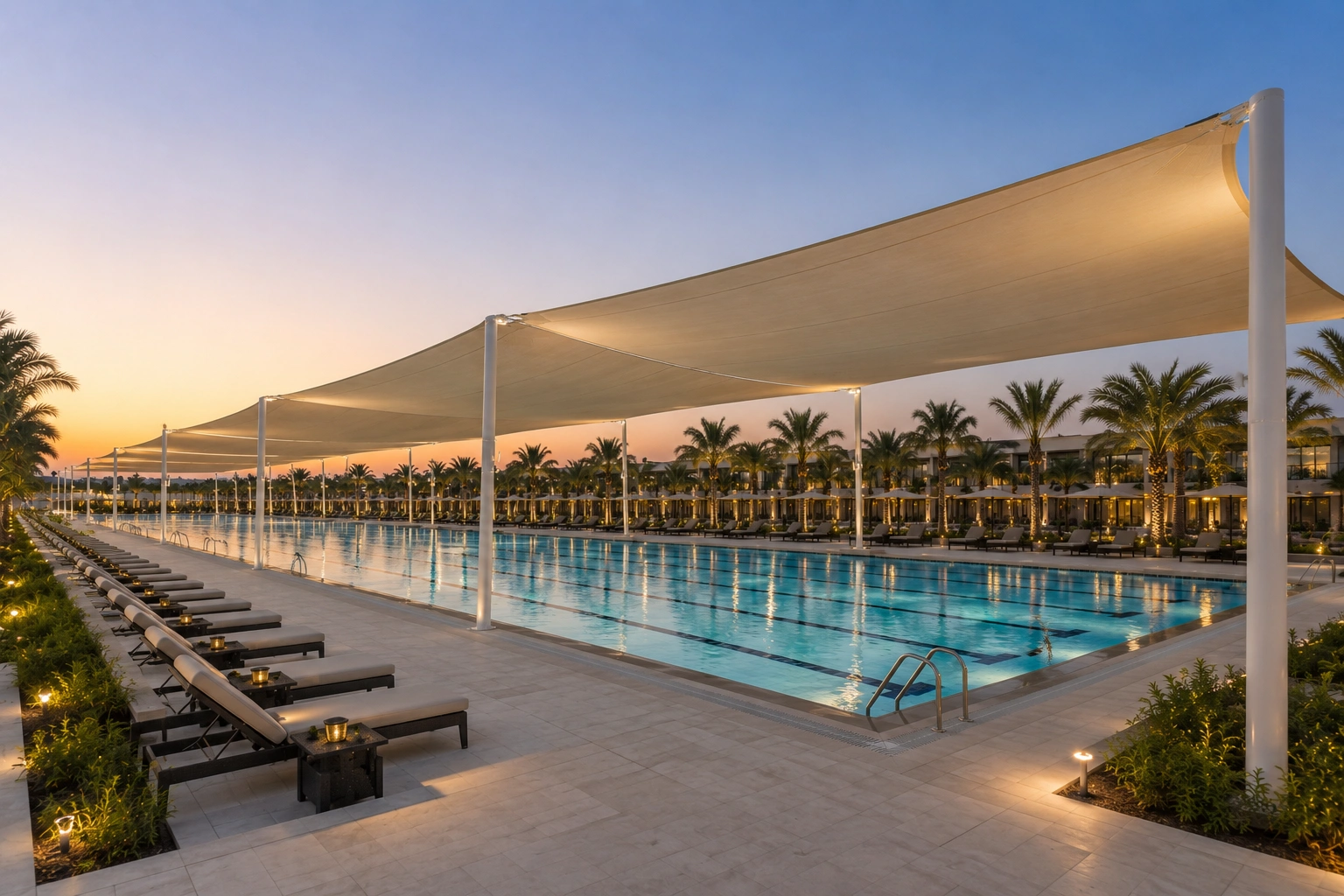
- Structural steel frameworks serve as the primary support system and provide the strength required for long-span applications.
- Tensioned membrane surfaces create the visible covering element while delivering protection from sunlight, rain, and environmental exposure.
- High-strength cables help distribute structural forces and maintain the membrane’s required tension levels throughout operation.
- Anchoring systems connect structural elements to foundations and ensure reliable load transfer under different operating conditions.
- Engineered connection hardware contributes to safety and structural integrity by managing continuous operational loads.
- Membrane geometry influences drainage efficiency, structural behavior, and the overall architectural appearance of the installation.
- Steel components are commonly protected using powder coating or epoxy coating finishes to improve resistance against corrosion and harsh weather conditions.
- Quality control procedures throughout manufacturing and installation help ensure long-term reliability and compliance with project specifications.
Applications of Tensile Structures in Modern Construction
One of the main reasons organizations explore what is tensile structure is the versatility these systems offer across various industries, Common applications include:
- Public parks and recreational facilities use tensile shade structures to create comfortable outdoor environments for visitors throughout the year.
- Educational campuses install covered walkways and gathering areas that improve safety, convenience, and user comfort.
- Commercial developments use tensile canopies to enhance entrances, outdoor spaces, and customer experiences while strengthening visual identity.
- Sports facilities benefit from large-span coverage solutions that provide protection without obstructing visibility or movement.
- Transportation hubs utilize tensile roof structures to improve passenger comfort and create distinctive architectural landmarks.
- Hospitality venues integrate architectural fabric structures into outdoor dining, event, and leisure areas to maximize usability.
- Residential communities use custom tensile structures for parking areas, playgrounds, landscaped spaces, and communal gathering zones.
Benefits of Tensile Structures for Commercial and Public Projects
Project owners often ask what is tensile structure because they want to understand the advantages these systems offer, Some of the most significant benefits include:
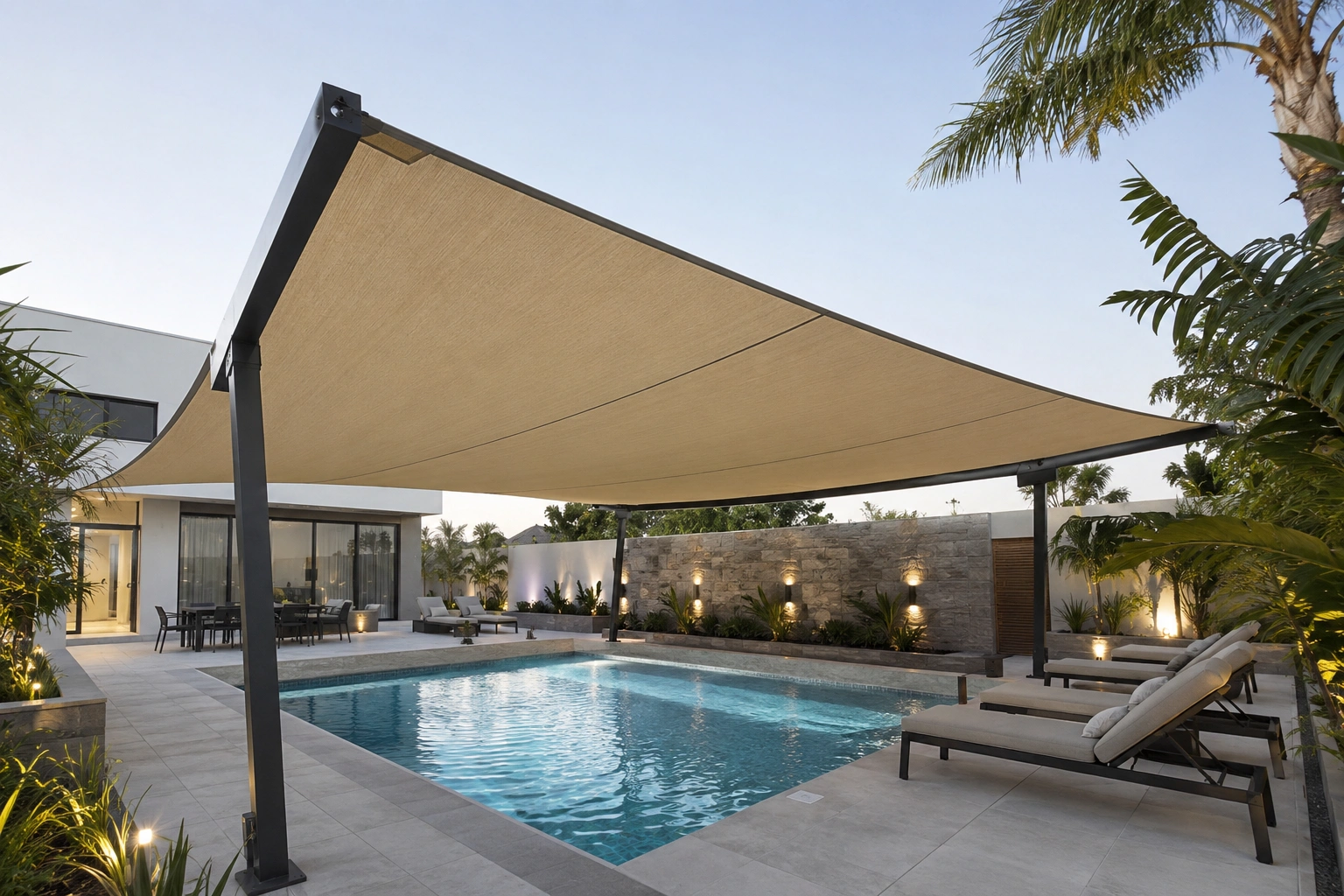
- Lightweight construction reduces material consumption while maintaining excellent strength and structural efficiency.
- Flexible design possibilities allow architects to create visually striking forms that enhance project identity and market appeal.
- Faster installation schedules help reduce project timelines and accelerate operational readiness.
- Large column-free spaces improve functionality and maximize usable areas for public and commercial applications.
- Modern membrane technologies provide reliable weather protection while maintaining a clean and contemporary appearance.
- Durable materials and quality manufacturing processes contribute to long service life and reduced maintenance requirements.
- Customized solutions allow projects to address specific operational and architectural objectives without compromising performance.
- The combination of aesthetics, efficiency, and durability makes tensile systems a valuable long-term investment.
The Value of Tensile Structures in Contemporary Construction
As modern construction evolves, what is tensile structure becomes an increasingly relevant question for developers seeking innovative building solutions, The value of Tensile Structures can be seen in the following advantages:
- Tensile Structures combine architectural elegance with engineering performance, creating attractive spaces that remain highly functional.
- Their adaptable designs accommodate different project sizes, site conditions, and operational requirements with ease.
- Lightweight systems reduce unnecessary structural complexity while maintaining excellent durability and performance.
- Large unobstructed areas support improved circulation, flexibility, and usability in commercial and public developments.
- Advanced engineering methods ensure reliable behavior under environmental loads and demanding operating conditions.
- Steel support systems provide long-term strength, while membrane materials offer efficient weather protection and visual appeal.
- Powder coating and epoxy coating finishes help preserve structural quality by protecting steel elements from environmental exposure.
- Choosing professionally engineered solutions allows project owners to achieve greater value, improved aesthetics, and dependable performance.
Integrated Project Solutions Delivered by Eurosys
Selecting the right project partner is just as important as understanding what is tensile structure, Eurosys provides comprehensive solutions that support projects from concept to completion, as follows:
- Advanced design services use modern engineering software to create customized solutions that meet both functional and architectural goals.
- Manufacturing operations include cutting, welding, forming, and assembly processes performed using high-quality materials and equipment.
- Tensile structure fabrication follows strict engineering standards to ensure accuracy, durability, and long-term reliability.
- Professional installation teams deliver safe and precise implementation while maintaining quality and efficiency on site.
- After-sales support helps maintain performance, reliability, and customer satisfaction throughout the structure’s operational life.
- Additional services include Shades and Fences, Powder coating, Laser cutting, Decorative laser-cut panel, Steel structure, and road marking solutions.
- Integrated project management ensures seamless coordination from initial planning through final delivery, creating a smooth and efficient client experience.
In conclusion, what is tensile structure is a question that highlights the benefits of combining innovative engineering, durability, and architectural appeal, eurosys delivers integrated solutions tailored to project requirements, Choosing experienced specialists helps ensure long-term performance, efficient execution, and successful results for modern construction projects.
Frequently Asked Questions About What Is Tensile Structure
What is a tensile structure?
A tensile structure is a lightweight system that uses tensioned membranes and steel supports to create durable, functional, and visually appealing covered spaces.
What materials are used in tensile structures?
Tensile structures typically include membrane fabrics, structural steel, cables, and anchoring systems. Steel components are often protected with powder coating or epoxy finishes.
What are the advantages of tensile structures?
They offer lightweight construction, design flexibility, faster installation, weather protection, large open spans, and long-term value.
Ready to Start Your Next Project?
Get a free consultation and a detailed quote from EuroSys for Metal Industries. We handle design, fabrication and installation, from concept to handover.
Get your solution today with a professionally engineered tensile structure designed for durability, efficiency, and visual impact, Benefit from expert design, quality installation, and reliable support that helps your project achieve lasting value and outstanding performance.
Related Articles:
- What materials are used in tensile structures
- How long do tensile structures last
- What are the advantages of tensile structures
- Famous Examples of Tensile Structures
- Tensile Structures for the Sport, Leisure, and Hospitality Industries
- Tensile Structures vs Conventional Roof Systems
- Future of Tensile Structure Design in Smart Cities
- What is the cost of tensile structure
- tensile structure design example
- How to Design a Tensile Structure: Complete Guide to Planning, Engineering, and Installation
- tensile shade design
- Maintenance Requirements for Tensile Structures
- Installation Process of Tensile Structures
- Top Benefits of Tensile Fabric Shade Structures for Modern Outdoor Spaces