

Tensile Structures vs Conventional Roof Systems is one of the most important comparisons when planning a modern construction project, Whether you prioritize aesthetics, durability, cost efficiency, or functionality, the right roofing choice can significantly impact long-term performance, At eurosys, we help clients evaluate practical solutions that align with project goals while delivering reliable structural value.
Ready to Start Your Next Project?
Get a free consultation and a detailed quote from EuroSys for Metal Industries. We handle design, fabrication and installation, from concept to handover.
What is the Difference Between Tensile Structures vs Conventional Roof Systems
Understanding the key distinctions helps you choose the most suitable roofing solution for your project, as follows:
- Tensile structures rely on tensioned membranes supported by engineered steel frameworks, creating lightweight yet durable coverings suitable for large outdoor areas and modern architectural applications.
- Conventional roof systems typically use concrete, metal decking, or rigid roofing materials that depend on heavier structural support and traditional construction methods.
- Tensile membrane structures provide greater design flexibility, allowing unique shapes and visually attractive forms that are difficult to achieve with standard roofing systems.
- Conventional roofing solutions often require more construction materials, resulting in increased structural weight and additional support requirements.
- Large span roof systems can be achieved efficiently through tensile engineering, reducing the need for numerous columns that may obstruct usable space.
- Fabric architecture creates open and welcoming environments, making tensile systems attractive for commercial, recreational, and public facilities.
- Traditional roofs generally focus on enclosure and protection, while tensile systems combine protection with architectural appeal and functional outdoor space enhancement.
- Modern roofing systems increasingly utilize tensile concepts because they offer efficient coverage without excessive structural complexity.
Structural Design Comparison: Flexibility vs Traditional Construction
Project owners often evaluate structural adaptability before selecting a roofing system, and several factors influence this decision, including:
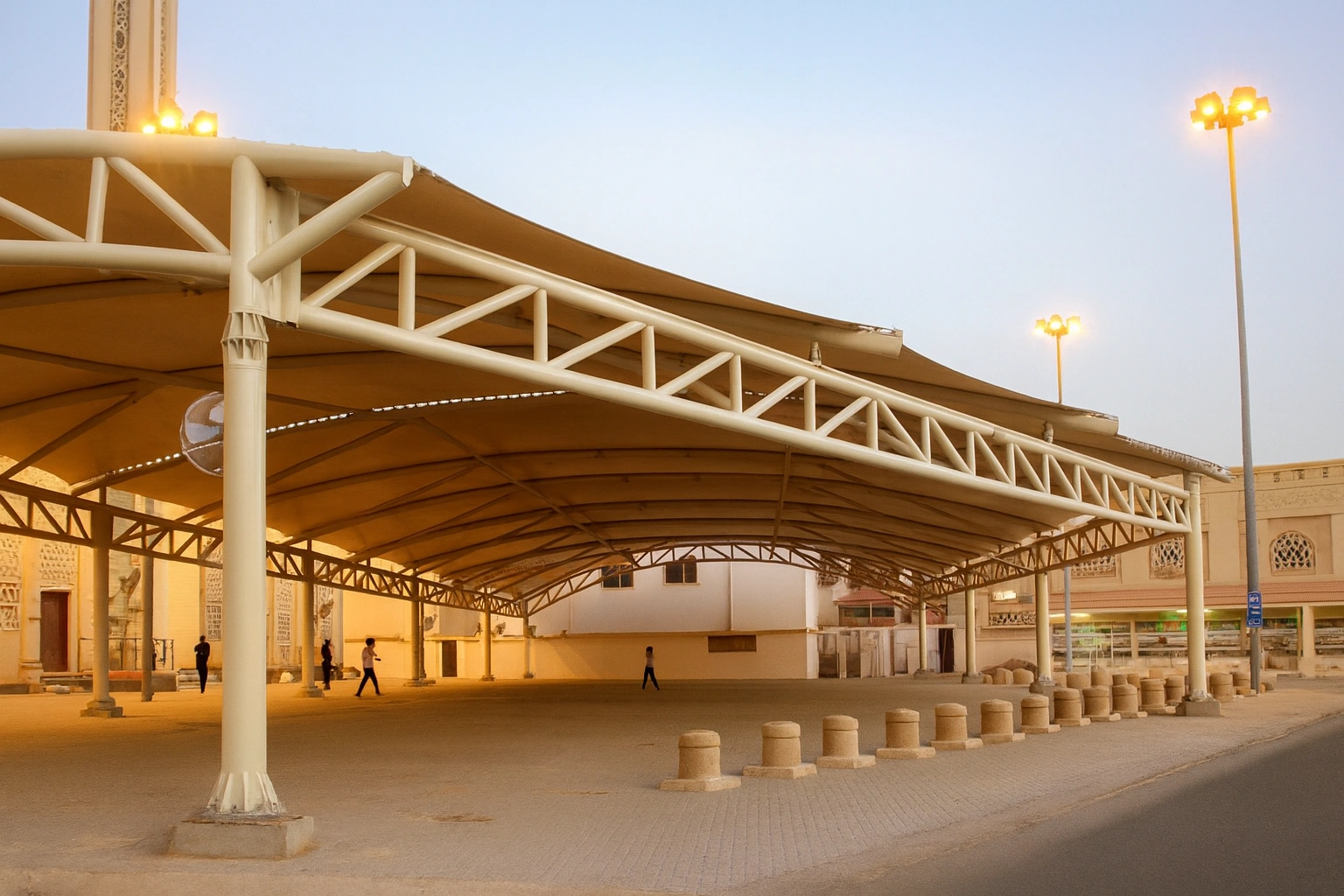
- Tensile roofing systems offer exceptional flexibility, allowing designers to create customized solutions that complement surrounding architecture and operational requirements.
- Lightweight roof structures place less load on supporting foundations, which may simplify engineering requirements in many applications.
- Architectural tensile systems can accommodate irregular site conditions more easily than many conventional roof designs.
- Traditional construction methods often require extensive structural elements that can limit design creativity and increase project complexity.
- Custom tensile structures can be adapted to parks, walkways, hospitality venues, sports facilities, and commercial developments with impressive versatility.
- Membrane roof systems support wide open spaces without excessive interior columns, improving movement, visibility, and space utilization.
- Tensile fabric structures create visually distinctive landmarks that contribute to project identity and enhance user experiences.
- Conventional roof systems remain suitable for enclosed buildings but may not provide the same architectural freedom offered by tensile solutions.
Cost Considerations Between Tensile Structures vs Conventional Roof Systems
Financial planning is a major factor when comparing roofing alternatives, and the following considerations can help guide your decision:
- Roofing cost comparison should include construction expenses, maintenance requirements, operational benefits, and expected service life rather than focusing solely on initial investment.
- Tensile structures often require fewer construction materials compared to some traditional roofing systems, potentially improving overall project efficiency.
- Faster installation timelines can reduce labor costs and minimize disruptions during project execution.
- Lightweight components may reduce transportation and handling expenses while simplifying installation logistics.
- Conventional roofing solutions sometimes involve heavier materials, larger support structures, and more extensive construction processes.
- Maintenance costs depend on project design, material selection, and environmental conditions rather than roofing type alone.
- Long-term operational benefits often make tensile solutions attractive for facilities requiring extensive outdoor coverage.
- Careful engineering and professional installation contribute significantly to maximizing return on investment regardless of the chosen roofing approach.
Durability and Weather Resistance Performance
Long-term performance is critical for any roofing investment, especially in demanding outdoor environments, as follows:
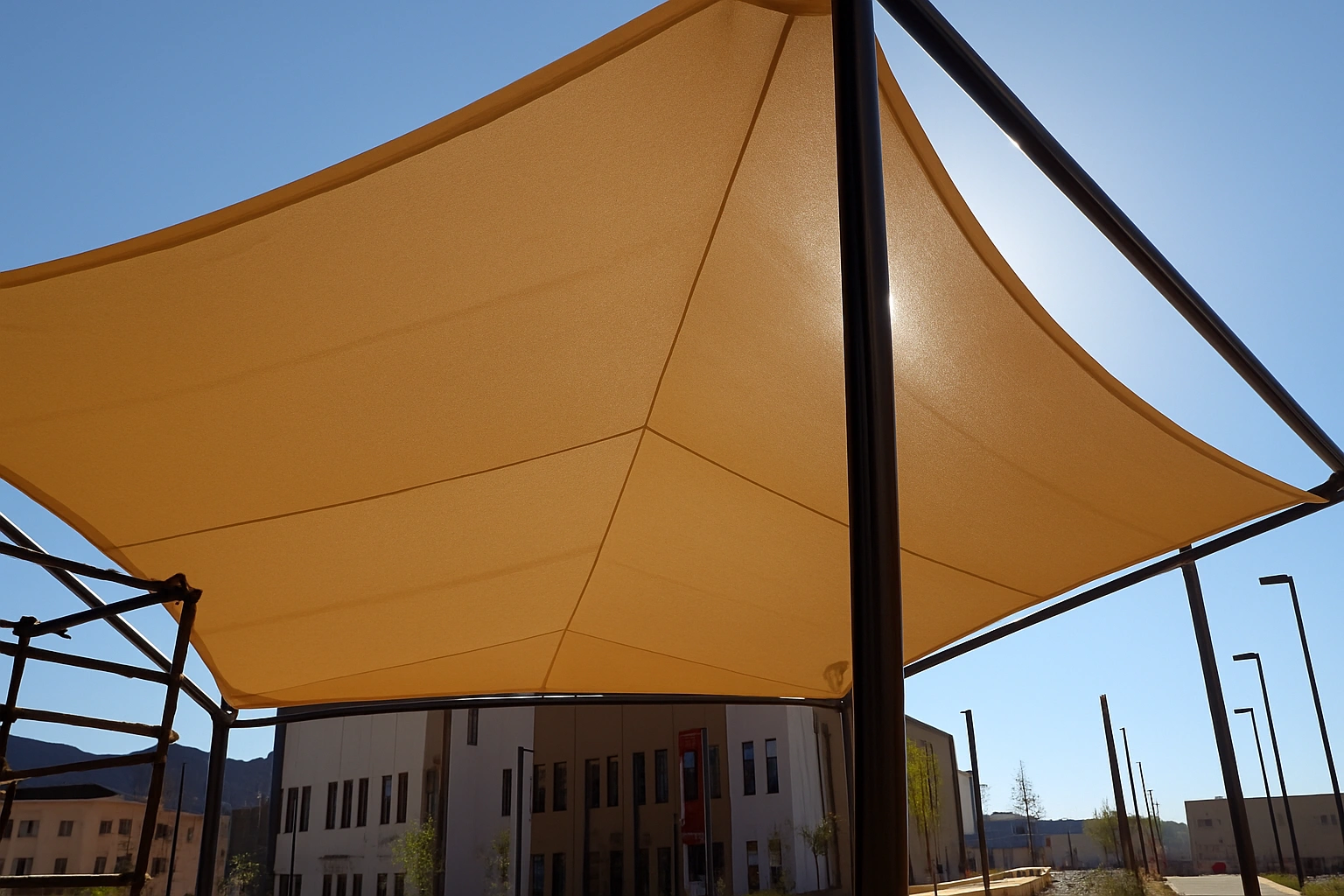
- Durable roofing systems must withstand sunlight, wind loads, temperature fluctuations, and environmental exposure throughout their service life.
- Modern tensile membrane structures utilize high-performance materials specifically engineered for outdoor durability and consistent performance.
- At eurosys, structural support systems are manufactured using steel to provide dependable strength and long-term reliability.
- Exterior finishing processes utilize powder coating and epoxy coatings that offer excellent resistance against corrosion, weather exposure, and environmental challenges.
- Proper engineering calculations ensure roofing systems perform effectively under varying wind and environmental conditions.
- Conventional roofing materials can also provide durability, but maintenance requirements may differ according to material type and project conditions.
- Weather resistant roofing solutions should always be selected based on environmental exposure, operational demands, and expected lifespan.
- Professional installation and quality fabrication play a major role in preserving structural integrity and maximizing performance.
Benefits of Choosing Custom Tensile Shade Structures for Modern Outdoor Projects
When outdoor functionality and aesthetics are equally important, specialized shade solutions offer significant advantages, including:
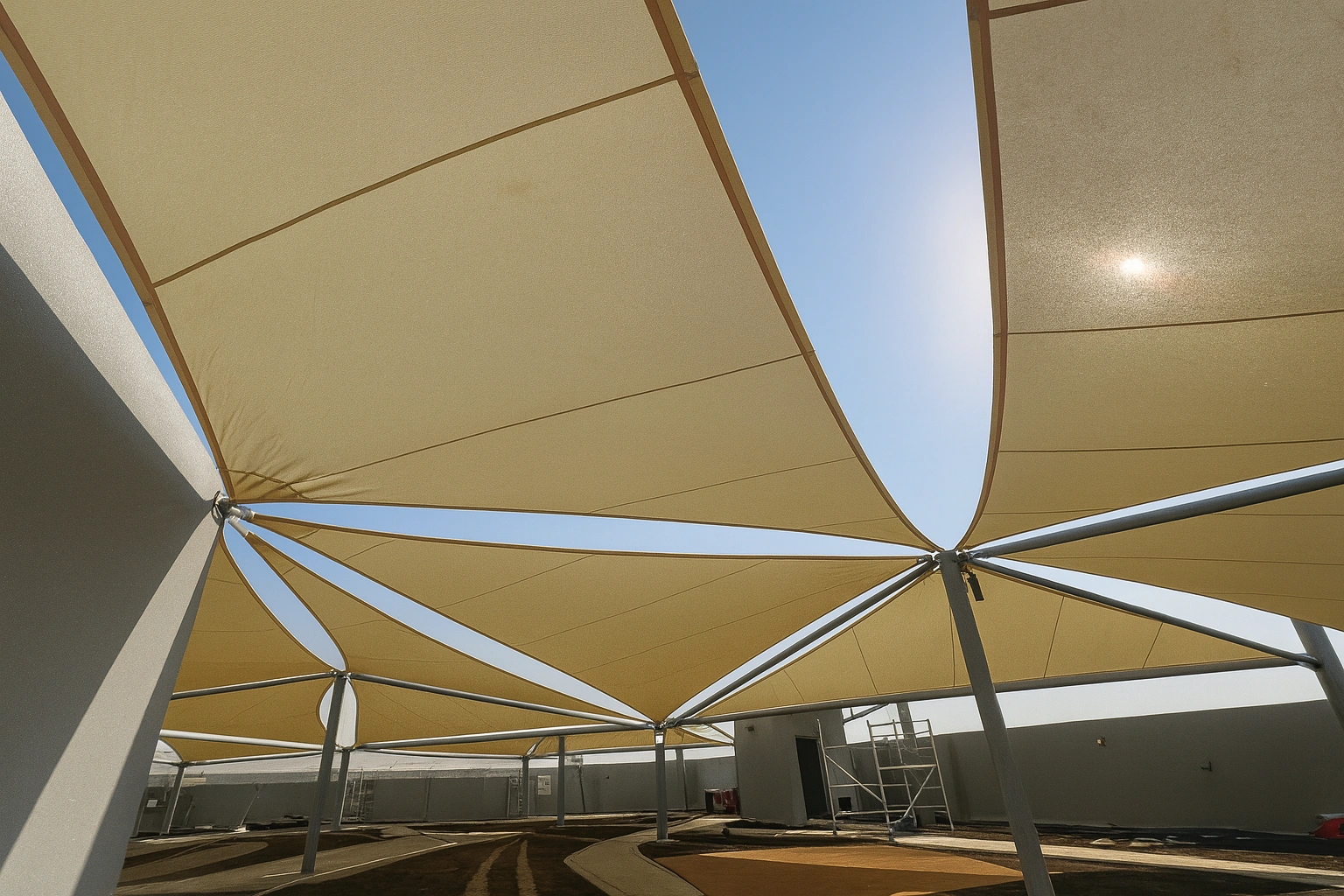
- Tensile Shades provide effective protection from sunlight while maintaining comfortable outdoor environments for visitors, customers, and facility users.
- Customized designs allow projects to achieve optimal coverage without compromising visual appeal or architectural harmony.
- Outdoor shade structures improve usability of recreational areas, hospitality venues, commercial facilities, and public gathering spaces.
- Modern tensile design creates elegant forms that enhance project value and contribute to a memorable visitor experience.
- Efficient space coverage allows operators to maximize outdoor functionality without extensive permanent construction.
- Professionally engineered systems balance aesthetics, durability, and performance to support long-term operational requirements.
- Flexible configurations accommodate a wide variety of applications, including walkways, seating areas, event spaces, and landscaped environments.
- Organizations seeking attractive and practical outdoor solutions often discover that custom shade systems provide a highly effective investment.
How Eurosys Delivers Reliable Tensile and Structural Solutions
Selecting an experienced project partner helps ensure successful implementation from design through completion, as follows:
- Tensile shade solutions are designed and installed for parks, walkways, recreational facilities, commercial projects, and public environments requiring efficient outdoor coverage.
- Shades and fences provide functional protection and privacy while supporting the operational needs of residential, industrial, and commercial properties.
- Steel structures are fabricated and installed to support a wide range of projects requiring strength, durability, and reliable performance.
- Powder coating services enhance metal durability while providing attractive finishes suitable for outdoor applications.
- Laser cutting services deliver precision fabrication for decorative, architectural, and customized metal components.
In conclusion, Tensile Structures vs Conventional Roof Systems highlights important differences in flexibility, appearance, efficiency, and performance, eurosys helps clients identify practical solutions tailored to project requirements, Evaluate long-term goals carefully and choose a roofing system that delivers lasting value and dependable results.
Frequently Asked Questions About Tensile Structures vs Conventional Roof Systems
What is the Main Difference Between Tensile Structures and Conventional Roof Systems?
Tensile structures use tensioned membranes supported by steel frameworks, while conventional roof systems rely on rigid materials and heavier construction methods, Tensile solutions generally offer greater design flexibility, lighter structural weight, and efficient coverage for large outdoor spaces.
Are Tensile Structures More Cost-Effective Than Traditional Roofing Systems?
Cost effectiveness depends on project requirements, installation scope, maintenance expectations, and operational benefits, Tensile systems often provide efficient material usage, faster installation, and attractive long-term value for many outdoor commercial and public applications.
Which Roofing System Offers Better Flexibility for Large Outdoor Spaces?
Tensile roofing systems typically provide greater flexibility for large outdoor environments, Their ability to span wide areas with minimal support structures makes them ideal for recreational facilities, hospitality venues, walkways, public spaces, and commercial developments.
Ready to Start Your Next Project?
Get a free consultation and a detailed quote from EuroSys for Metal Industries. We handle design, fabrication and installation, from concept to handover.
Get your custom tensile shade solution today and enhance outdoor spaces with professional engineering, durable steel construction, weather-resistant finishes, and efficient installation designed to deliver lasting performance, comfort, and visual appeal.
Related Articles: