
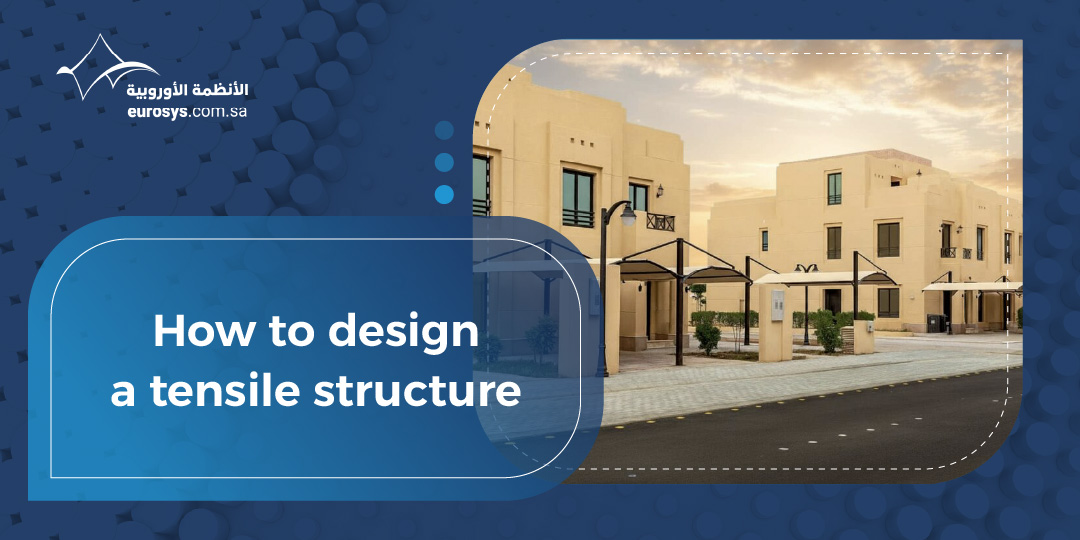
How to design a tensile structure successfully requires more than selecting an attractive shape, It demands engineering precision, material expertise, and professional execution, At eurosys, we help clients transform outdoor spaces into durable, visually impressive environments through complete design, fabrication, and installation solutions tailored to long-term performance and project requirements.
What Is a Tensile Structure and How Does It Work?
Tensile structures have become a preferred solution for modern architectural projects because they combine strength, flexibility, and visual appeal, To understand how to design a tensile structure, it is important to first understand how these systems function, as follows:
- Tensile structures rely on carefully tensioned membranes that distribute loads efficiently across the entire surface, creating lightweight yet highly durable coverings suitable for diverse commercial and public applications.
- Unlike conventional roofing systems that depend primarily on compression, tensile membrane structures use tension forces to maintain stability while reducing overall structural weight and material consumption.
- Steel support systems play a critical role by transferring loads safely to foundations, ensuring structural integrity even under demanding environmental conditions and varying operational requirements.
- Modern tensile fabric structures can be engineered into numerous architectural forms, allowing designers to create distinctive outdoor environments that combine functionality with aesthetic value.
- Proper membrane structure design improves weather resistance while providing effective shade, protection from rain, and comfortable outdoor conditions throughout the year.
- Fabric structure engineering considers environmental factors, expected usage, span dimensions, and maintenance requirements to achieve reliable long-term performance and operational efficiency.
- High-quality tensile structure materials contribute significantly to structural longevity, helping projects withstand continuous exposure to sunlight, wind, moisture, and temperature fluctuations.
- Architectural tensile structures are frequently used in parks, walkways, recreational facilities, educational campuses, public gathering spaces, and commercial developments requiring attractive covered areas.
- Advanced engineering software enables accurate modeling and performance evaluation before construction begins, reducing project risks and improving overall design accuracy.
- Successful tensile architecture balances structural efficiency, visual impact, and user comfort while supporting the specific objectives of each development project.
Key Factors to Consider Before Designing a Tensile Structure
Every successful project begins with careful planning, Understanding how to design a tensile structure requires evaluating multiple technical and operational factors before engineering work begins, including:
- Project objectives should be clearly defined to determine required coverage areas, intended usage patterns, occupancy expectations, and overall performance goals.
- Site conditions directly influence design decisions, including available space, surrounding structures, access requirements, and potential environmental challenges.
- Local climate characteristics affect engineering requirements, particularly wind exposure, solar radiation levels, seasonal weather variations, and moisture conditions.
- Wind load calculations must be performed according to recognized engineering standards to ensure structural safety under anticipated environmental forces.
- Structural analysis for tensile structures helps engineers identify stress distribution patterns and optimize support configurations for maximum efficiency.
- Material selection should consider durability, appearance, maintenance requirements, fire performance, and expected service life within local operating conditions.
- Foundation design requires accurate assessment of soil conditions and load transfer requirements to support long-term structural stability.
- Future maintenance accessibility should be incorporated into the design process to simplify inspections, repairs, and operational upkeep activities.
- Visual integration with surrounding architecture enhances project value while helping create a cohesive and professional appearance across the development.
- Budget planning should balance initial investment with long-term durability, operational performance, and maintenance efficiency to maximize overall project value.
Understanding Wind Load and Structural Calculations in Tensile Design
Engineering calculations form the foundation of every successful tensile project, When evaluating how to design a tensile structure, structural performance analysis remains one of the most critical phases, as follows:
- Wind load calculations determine the forces acting on membranes and support systems, helping engineers develop structures capable of resisting environmental stresses safely.
- Structural modeling evaluates how loads move through the membrane surface, steel framework, connection points, and foundation systems during operation.
- Engineers assess uplift forces, lateral pressures, and dynamic wind effects to optimize structural stability under varying weather conditions.
- Accurate calculations reduce the risk of excessive movement, material fatigue, or premature structural deterioration over the lifespan of the installation.
- Membrane geometry significantly influences load distribution, making form-finding analysis an essential component of professional tensile canopy design.
- Structural analysis allows designers to refine support layouts while maintaining the intended architectural appearance and functional performance.
- Safety factors are incorporated throughout the engineering process to ensure dependable performance under extreme environmental conditions.
- Computer-based simulation tools help identify potential design weaknesses before fabrication begins, reducing project risks and minimizing costly modifications.
- Proper engineering coordination supports efficient tensile structure fabrication by ensuring all components fit accurately and perform as intended.
- Comprehensive calculations provide confidence that the completed structure will meet safety standards, operational expectations, and long-term durability requirements.
Choosing the Right Membrane Material for Tensile Structures
Material selection greatly affects durability, aesthetics, maintenance requirements, and overall project success, Anyone researching how to design a tensile structure should carefully evaluate membrane options, as follows:
- PVC tensile fabric is widely used due to its cost-effectiveness, flexibility, weather resistance, and suitability for many commercial applications.
- PTFE membrane structures offer exceptional durability, superior lifespan, and advanced performance characteristics for large-scale or high-profile developments.
- Material translucency can enhance natural daylight penetration while reducing dependence on artificial lighting during daytime operations.
- Surface coatings help resist dirt accumulation, moisture penetration, and environmental contamination, supporting easier maintenance procedures.
- Fire performance ratings should align with project requirements and applicable safety regulations governing the intended installation environment.
- Environmental exposure levels influence material selection decisions, particularly in regions experiencing intense sunlight and elevated temperatures.
- Membrane strength characteristics must correspond with span dimensions, support spacing, and anticipated structural loading conditions.
- Color selection contributes to project aesthetics while influencing heat reflection, light transmission, and overall user comfort.
- Quality manufacturing standards ensure consistent material performance and long-term reliability across diverse operating environments.
- Selecting appropriate membrane materials supports successful tensile structure construction while reducing lifecycle costs and maintenance demands.
Step-by-Step Process for Designing a Tensile Structure
A structured design methodology helps ensure project success, Understanding how to design a tensile structure becomes easier when following a professional development process, as follows:
- Initial consultations identify project goals, site conditions, operational requirements, and architectural expectations to establish a clear project framework.
- Concept development explores potential shapes, coverage solutions, and functional configurations that align with client objectives and site constraints.
- Detailed engineering analysis evaluates structural performance, wind resistance, load distribution, and compliance with applicable standards.
- Membrane selection is finalized based on environmental exposure, durability requirements, visual preferences, and anticipated operational demands.
- Steel framework design is developed to provide reliable support while maintaining efficiency, safety, and architectural appeal.
- Fabrication drawings are prepared to guide manufacturing processes and ensure accurate production of all structural components.
- High-quality steel components are manufactured using precision cutting, welding, forming, and assembly techniques for dependable performance.
- Protective finishing systems such as powder coating and epoxy coatings are applied to exterior steel elements, providing excellent resistance against weather conditions and corrosion.
- Membranes are cut, fabricated, and assembled according to engineering specifications to ensure proper tensioning and installation accuracy.
- Final installation and testing verify structural performance, alignment, safety compliance, and readiness for long-term operational use.
Benefits of Professional Tensile Structure Solutions
Choosing professional Tensile Structures solutions provides significant advantages for organizations seeking reliable, attractive, and long-lasting outdoor coverage systems, including:
- Professionally engineered systems deliver superior structural performance by integrating advanced design methodologies with proven engineering principles.
- Custom tensile structures can be tailored to match unique project requirements, architectural styles, and functional objectives without compromising durability.
- Lightweight construction reduces material usage while maintaining impressive span capabilities and efficient load distribution characteristics.
- Attractive architectural forms enhance property value and create visually distinctive environments that improve user experiences.
- Effective weather protection supports year-round outdoor activities by providing shade, rain coverage, and environmental comfort.
- Durable materials minimize maintenance requirements while extending operational lifespan and reducing long-term ownership costs.
- Professional fabrication improves component quality, manufacturing accuracy, and installation efficiency throughout project execution.
- Weather-resistant powder coating and epoxy finishing systems protect exposed steel elements from corrosion, moisture, and environmental wear.
- Expert project management streamlines coordination between design, manufacturing, installation, and after-sales support activities.
Installation Considerations for Long-Lasting Tensile Structures
Installation quality directly influences project performance and longevity, A complete understanding of how to design a tensile structure should include proper installation planning, as follows:
- Site preparation ensures foundations, access routes, and supporting infrastructure are ready before installation activities commence.
- Component inspections verify manufacturing accuracy and identify any issues requiring correction before assembly begins.
- Steel support systems must be installed according to engineering specifications to maintain intended load paths and structural performance.
- Membrane tensioning procedures require precision to achieve the designed shape and optimize structural behavior.
- Connection points should be carefully inspected to ensure secure attachment and long-term reliability under operational conditions.
- Qualified installation teams reduce project risks by following approved procedures and maintaining strict quality standards.
- Environmental conditions during installation should be monitored to support safe operations and accurate membrane positioning.
- Final testing confirms structural alignment, tension levels, safety compliance, and overall readiness for service.
- Routine inspections after completion help identify maintenance requirements before minor issues become significant concerns.
- Professional installation contributes substantially to durability, operational efficiency, and long-term value throughout the structure’s lifespan.
In conclusion, how to design a tensile structure requires careful planning, precise engineering, suitable materials, and professional installation, eurosys delivers complete solutions that help ensure durable, efficient, and visually appealing results.
FAQs About How to Design a Tensile Structure
What factors should be considered when designing a tensile structure?
Site conditions, wind loads, intended use, material selection, structural calculations, and maintenance requirements are essential factors that influence safety, durability, and long-term performance.
Which materials are commonly used in tensile structure construction?
PVC tensile fabric, PTFE membranes, structural steel frameworks, and protective powder coating or epoxy finishes are commonly used to ensure strength, durability, and weather resistance.
How long do professionally designed tensile structures typically last?
With quality materials, proper engineering, and regular maintenance, professionally designed tensile structures can provide reliable performance for several decades.
Get your solution today with professionally designed tensile structures that combine durability, aesthetics, and weather resistance, supported by expert engineering, quality fabrication, and reliable installation services.