

Laser cutting vs waterjet cutting is a common comparison when selecting precision manufacturing solutions, At eurosys, we help you choose the most efficient technology for your project, delivering accurate fabrication, reliable quality, and customized metal cutting services that balance performance, durability, production speed, and long-term value.
Ready to Start Your Next Project?
Get a free consultation and a detailed quote from EuroSys for Metal Industries. We handle design, fabrication and installation, from concept to handover.
Laser Cutting vs Waterjet Cutting: Understanding the Key Differences
Choosing the right cutting technology directly affects quality, production speed, material compatibility, and overall project cost, Understanding the major differences helps you make a confident decision, as follows:
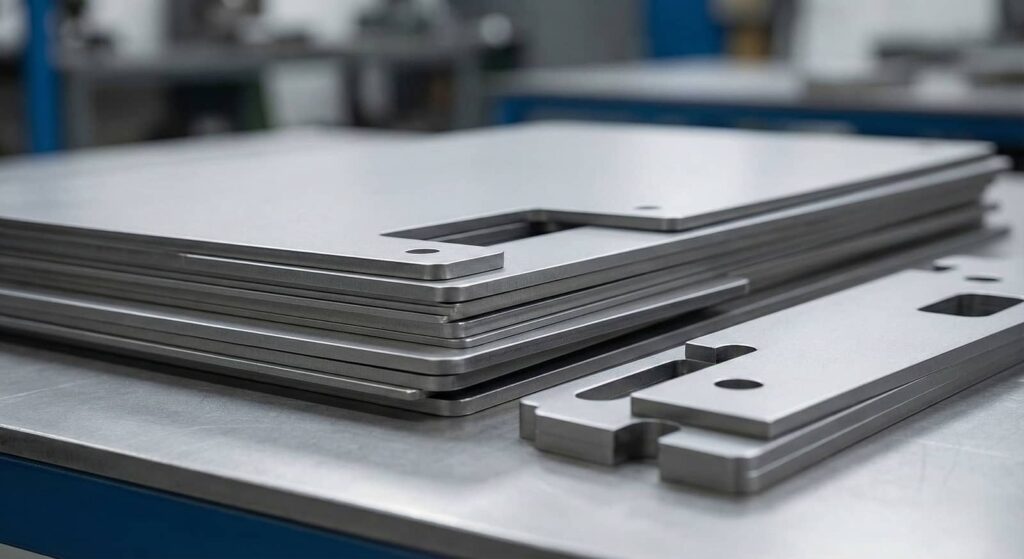
- Laser cutting uses a concentrated laser beam to melt or vaporize material, delivering exceptional precision, clean edges, and fast production speeds, making it ideal for high-volume manufacturing and intricate metal fabrication.
- Waterjet cutting relies on high-pressure water mixed with abrasive particles to separate materials without generating heat, making it suitable for applications where thermal distortion must be completely avoided.
- Laser cutting generally offers significantly faster processing speeds for thin and medium-thickness metals, helping manufacturers reduce production time while maintaining consistent dimensional accuracy across large production batches.
- Waterjet cutting can process thicker materials more efficiently than laser systems, especially when working with heavy metal plates, stone, glass, ceramics, or heat-sensitive materials requiring cold cutting technology.
- Laser cutting produces smoother finished edges on steel, stainless steel, and aluminum, minimizing secondary finishing operations and allowing fabricated components to move directly into assembly or surface treatment.
- Because laser cutting generates a narrow heat-affected zone, it maintains excellent dimensional control while enabling complex patterns, decorative designs, and detailed components with outstanding repeatability.
- Waterjet cutting eliminates thermal stress completely, making it an excellent choice for specialized materials that may crack, harden, or deform when exposed to elevated temperatures during machining.
- For architectural metal fabrication, structural components, decorative panels, and industrial production, laser cutting often provides the best balance of precision, productivity, and cost efficiency, especially when supported by advanced CNC technology.
- Selecting between both technologies depends on your project priorities, including material type, required thickness, production volume, finishing quality, delivery schedule, and available budget rather than relying on a single universal solution.
How Laser Cutting Works Compared to Waterjet Cutting
Although both technologies produce precise cuts, each follows a different process that influences production speed, material compatibility, and finishing quality, Understanding these methods helps you select the right solution for your project, as follows:
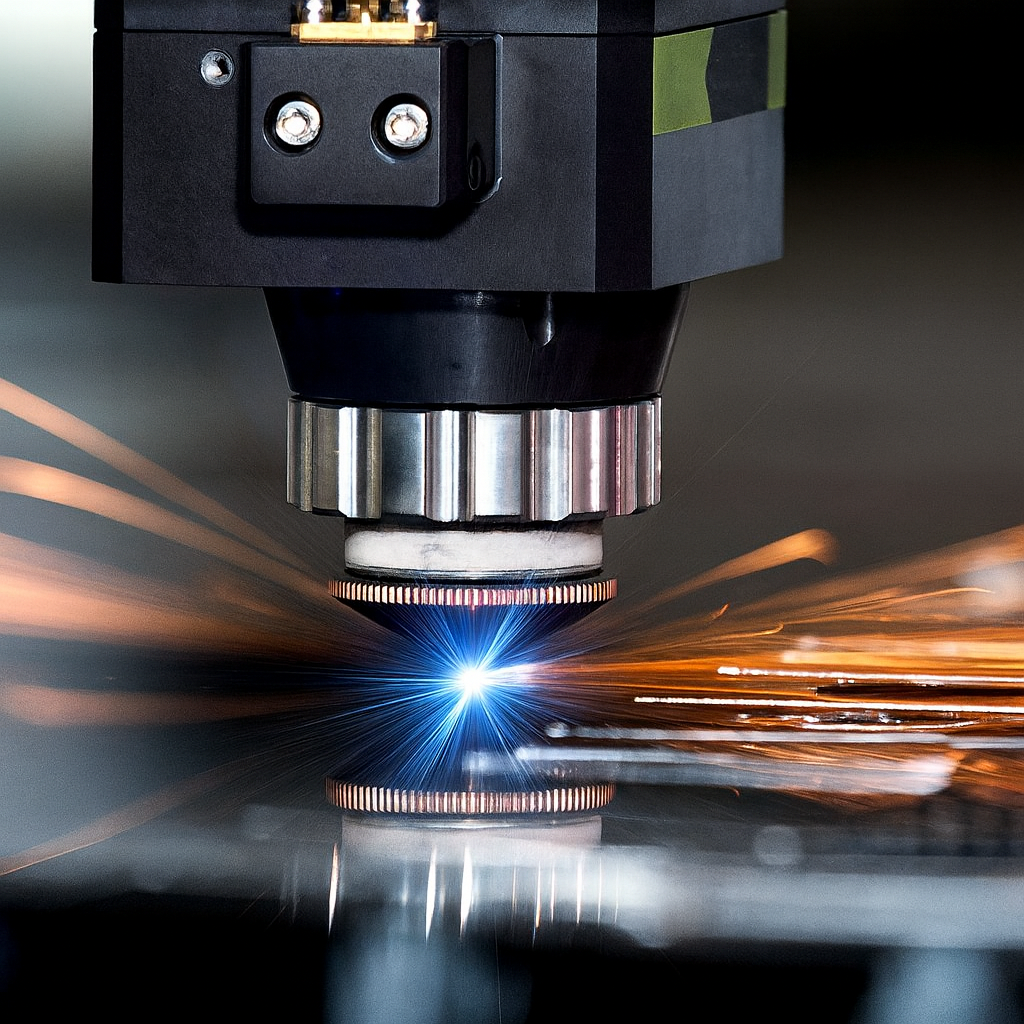
- Laser cutting uses a high-powered laser beam generated through advanced optical systems to melt or vaporize material, creating highly accurate cuts with minimal material waste and excellent edge quality.
- CNC software controls the laser cutting machine throughout the process, ensuring every movement follows exact design specifications while delivering consistent precision across simple components and complex geometries.
- Waterjet cutting operates by directing an extremely high-pressure stream of water, often combined with abrasive particles, to erode material gradually without generating heat during the cutting process.
- Since waterjet cutting is a cold-cutting technology, it prevents heat-affected zones, making it suitable for specialized applications involving temperature-sensitive materials that require maximum structural integrity.
- Laser cutting achieves considerably higher production speeds when processing steel, stainless steel, aluminum, and sheet metal, making it the preferred option for projects requiring fast turnaround and repeatable quality.
- Waterjet systems generally require slower cutting speeds, especially when processing thicker materials, but they offer greater flexibility for cutting composite materials, stone, ceramics, and exceptionally thick metal sections.
- Laser technology produces cleaner edges with tighter tolerances, reducing additional finishing work before welding, coating, or assembly, which improves manufacturing efficiency and lowers overall production costs.
- Both technologies support custom fabrication, but laser cutting is especially effective for decorative panels, architectural designs, precision components, and industrial applications requiring intricate patterns and consistent dimensional accuracy.
- The most suitable method ultimately depends on your material specifications, thickness requirements, production volume, finishing expectations, and project timeline, ensuring every component achieves optimal quality and performance.
Which Materials Are Best for Laser Cutting and Waterjet Cutting?
Both cutting technologies perform well across different materials, but selecting the right method depends on thickness, precision requirements, production speed, and the desired finish, The following comparison highlights where each solution performs best:
- Steel: Laser cutting is ideal for carbon steel because it delivers high cutting speeds, precise dimensions, and smooth edges, making it the preferred choice for structural components and industrial fabrication.
- Stainless Steel: Precision laser cutting produces clean, burr-free edges with excellent repeatability, making it perfect for architectural features, industrial equipment, and custom stainless steel fabrication requiring superior surface quality.
- Aluminum: Laser cutting offers outstanding accuracy for aluminum sheets while maintaining efficient production speeds, especially for medium-thickness materials used in commercial and industrial manufacturing projects.
- Decorative Panels: Laser cutting is the preferred technology for creating intricate patterns, custom architectural designs, and laser cut decorative panels with exceptional detail, consistency, and aesthetic appeal.
- Thick Materials: Waterjet cutting becomes more advantageous for very thick metal plates and heat-sensitive materials because it cuts without generating heat, preserving the material’s original mechanical properties.
- Precision Components: Laser cutting provides tighter tolerances than most alternative methods, making it suitable for parts requiring exact dimensions and repeatable quality throughout large production runs.
- Production Volume: For high-volume manufacturing, laser cutting offers faster processing times and improved productivity, helping reduce lead times while maintaining consistent quality across every component.
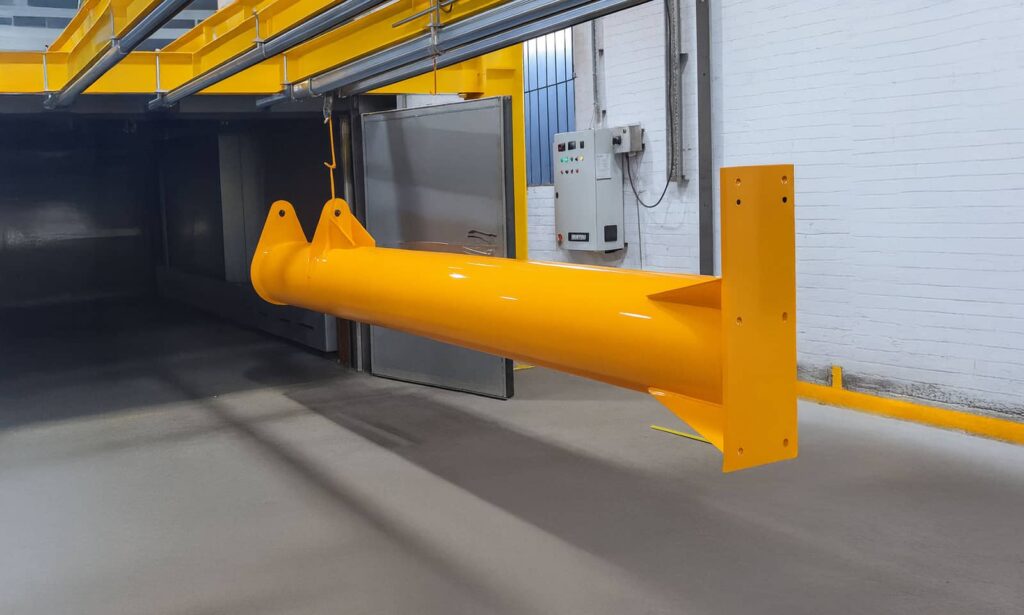
- Surface Finishing: Components produced through laser cutting are often ready for welding, assembly, or protective finishes such as Powder Coating and Epoxy Coating, both of which provide excellent resistance against weather, corrosion, and outdoor exposure.
- Custom Fabrication: Projects involving steel structures, decorative metalwork, industrial components, and architectural applications generally achieve the best balance of precision, efficiency, and cost-effectiveness through professional laser cutting services.
Benefits of Professional Laser Cutting Services
Choosing a professional provider ensures every component is manufactured with precision, consistency, and efficiency, The right Laser Cutting service improves product quality while reducing production time and unnecessary costs, as follows:
- Professional Laser Cutting delivers exceptional dimensional accuracy, ensuring every component matches engineering drawings precisely while reducing material waste and minimizing the need for additional machining.
- Advanced CNC technology produces consistent results across large production runs, making it ideal for industrial manufacturing, architectural projects, and custom metal fabrication requiring repeatable quality.
- High-speed processing shortens production schedules, allowing projects to move quickly from fabrication to installation without compromising precision or finished appearance.
- Clean, smooth cutting edges reduce secondary finishing operations, saving both labor costs and production time while improving the overall quality of fabricated components.
- Laser cutting supports intricate patterns and complex geometries, making it the preferred solution for decorative panels, architectural elements, custom signage, and precision-engineered metal products.
- Steel, stainless steel, and aluminum can all be processed with outstanding accuracy, providing flexibility for commercial, industrial, and infrastructure projects with varying technical requirements.
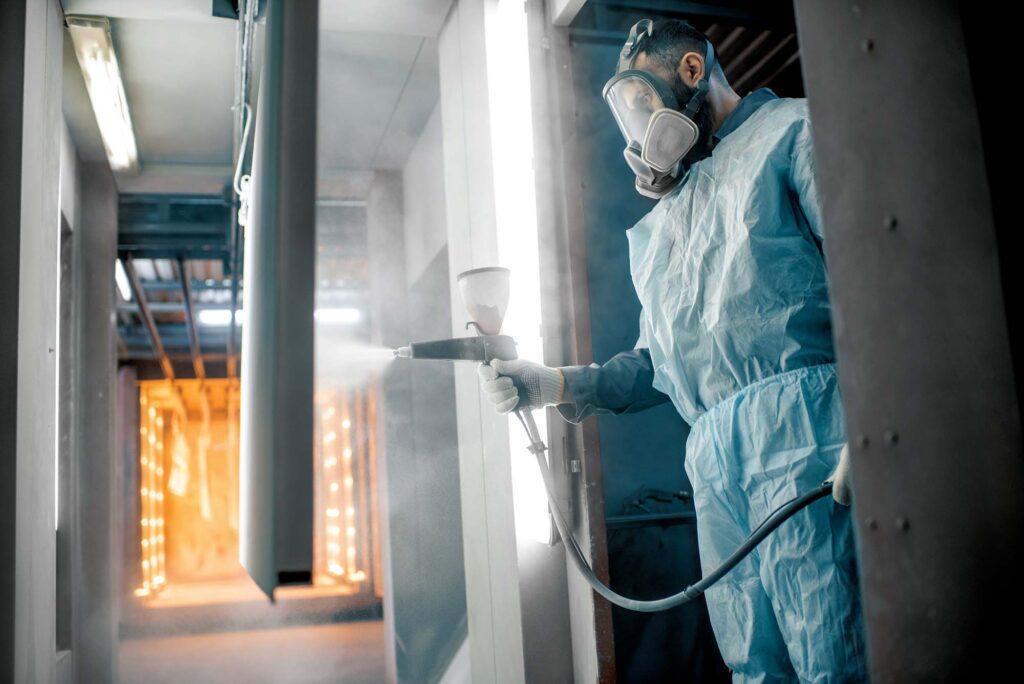
- Professionally fabricated steel components are ready for durable exterior finishes such as Powder Coating and Epoxy Coating, providing excellent resistance against corrosion, sunlight, moisture, and harsh weather conditions.
Why Choose eurosys for Precision Laser Cutting Services
Selecting the right manufacturing partner is just as important as choosing the cutting technology itself, At eurosys, we combine engineering expertise, advanced equipment, and strict quality standards to deliver reliable fabrication solutions, including:
- Since 2013, eurosys has specialized in structural engineering, steel fabrication, and precision manufacturing, successfully delivering projects for government, commercial, industrial, and private sectors across Saudi Arabia.
- Our engineering team develops customized cutting solutions using advanced design software, ensuring every component meets functional requirements, dimensional accuracy, and architectural expectations before production begins.
- We utilize modern CNC laser cutting equipment to manufacture steel, stainless steel, and aluminum components with exceptional precision, clean edges, and consistent quality throughout every production batch.
- Our integrated production process includes design, fabrication, precision cutting, finishing, installation support, and dependable after-sales service, providing clients with a complete solution from a single trusted partner.
- For projects requiring superior durability, fabricated steel components can be finished with Powder Coating or Epoxy Coating, offering outstanding resistance to corrosion, sunlight, moisture, and harsh outdoor environments.
- Beyond laser cutting, we manufacture decorative laser-cut panels, steel structures, tensile shade systems, shades and fences, allowing clients to source multiple fabrication services through one experienced company.
- Every project undergoes comprehensive quality inspections to verify dimensional accuracy, surface quality, and compliance with engineering specifications before delivery, ensuring dependable performance and customer satisfaction.
- Whether your project requires architectural panels, structural steel components, industrial parts, or custom metal fabrication, eurosys provides efficient production, professional support, and precision manufacturing tailored to your exact requirements.
In conclusion, laser cutting vs waterjet cutting depends on your project’s material, precision, and production requirements, eurosys helps you select the most effective solution, delivering reliable engineering, precision fabrication, and long-lasting quality that supports successful projects with confidence.
Frequently Asked Questions About Laser Cutting vs Waterjet Cutting
What is the main difference between laser cutting and waterjet cutting?
Laser cutting uses heat for fast, precise metal fabrication, while waterjet cutting uses high-pressure water without heat, making it suitable for thicker or heat-sensitive materials.
Which materials are better suited for laser cutting?
Laser cutting is ideal for steel, stainless steel, aluminum, sheet metal, and decorative panels where high precision, smooth edges, and efficient production are required.
Why is laser cutting preferred for precision metal fabrication?
Laser cutting delivers excellent accuracy, consistent quality, faster production, minimal material waste, and clean edges, making it ideal for commercial, industrial, and architectural fabrication projects.
Ready to Start Your Next Project?
Get a free consultation and a detailed quote from EuroSys for Metal Industries. We handle design, fabrication and installation, from concept to handover.
Get yours today with professional laser cutting solutions from eurosys and receive precise fabrication, fast production, durable quality, and expert support tailored to meet your project’s exact requirements and schedule.
Related Articles: