

Metal cutting is one of the most important processes in manufacturing, construction, and industrial fabrication. For decades, traditional cutting methods have been widely used to shape metal components for different applications. However, with the rapid development of industrial technology, laser cutting has become one of the most advanced solutions for precision metal fabrication.
Ready to Start Your Next Project?
Get a free consultation and a detailed quote from EuroSys for Metal Industries. We handle design, fabrication and installation, from concept to handover.
The comparison between Laser Cutting vs Traditional Cutting has become increasingly important for companies looking for higher accuracy, faster production, and better finishing quality. While traditional cutting methods still have their place in certain applications, laser cutting offers significant advantages for projects that require detailed designs, consistent quality, and efficient production.
In Saudi Arabia, where industrial development continues to expand across construction, manufacturing, architecture, and infrastructure sectors, businesses increasingly require advanced fabrication solutions that can meet demanding project specifications.
EuroSys provides professional Laser Cutting services in Saudi Arabia, delivering high-precision cutting solutions for custom metal panels, sheets, and decorative designs. Through advanced technology and professional fabrication capabilities, EuroSys supports industrial and commercial projects requiring accuracy and reliable manufacturing quality.
What Is Laser Cutting Technology and How Does It Work?
Laser cutting is an advanced manufacturing process that uses a highly concentrated laser beam to cut metal materials according to digitally programmed designs. The laser generates intense heat that melts or vaporizes the material along a precise cutting path, creating accurate shapes and openings.
Unlike many traditional methods that rely on physical cutting tools, laser cutting is controlled through computer systems, allowing manufacturers to produce complex designs with exceptional precision.
This technology is widely used for cutting materials such as steel, stainless steel, aluminum, and other metals used in industrial and architectural applications.
The main reason industries choose laser cutting is its ability to combine speed, accuracy, and flexibility. A single digital design can be reproduced multiple times with consistent results, making it highly suitable for both customized projects and large-scale production.
Understanding Traditional Cutting Methods in Metal Fabrication
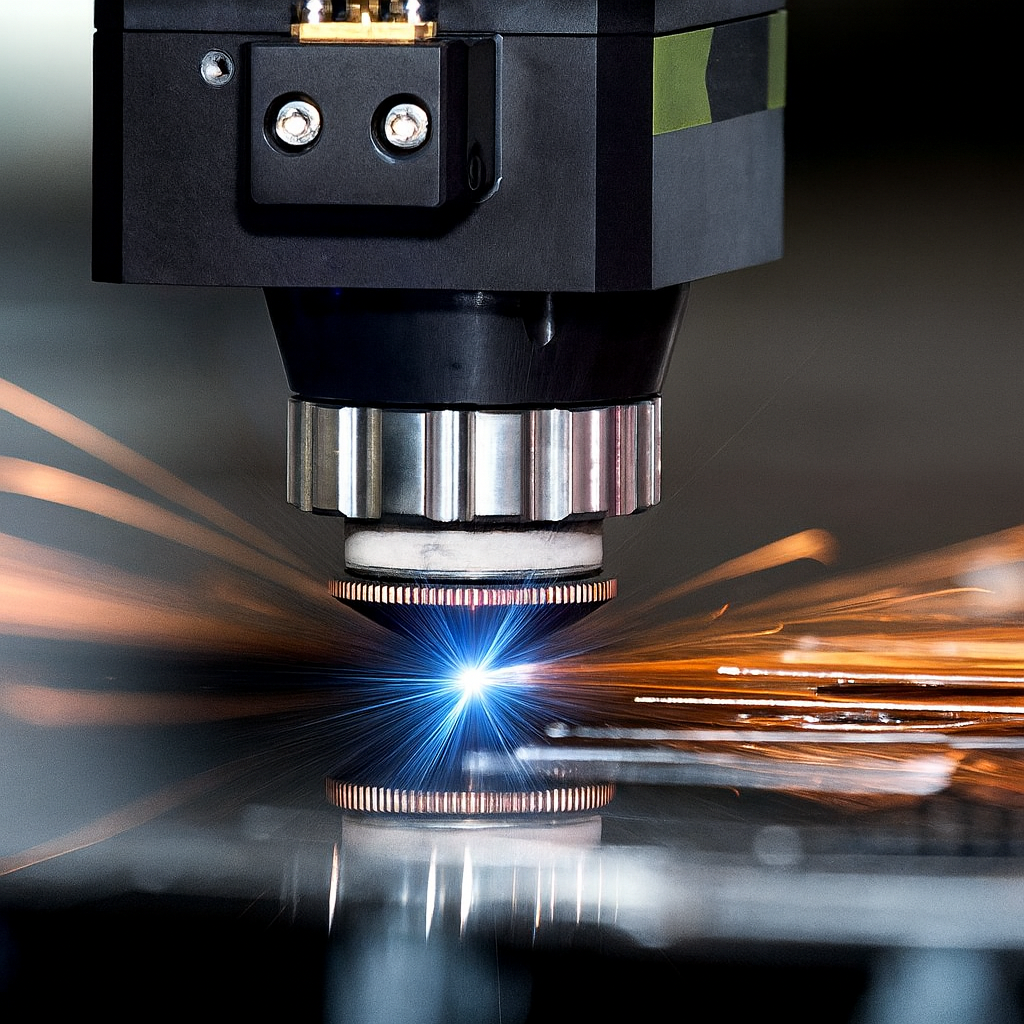 Traditional cutting methods include several mechanical processes that have been used for many years, such as sawing, shearing, plasma cutting, and manual cutting techniques.
These methods are still used in many workshops because they can be effective for simple projects and basic metal processing requirements. Traditional cutting can be suitable when dealing with thick materials, limited designs, or projects where extremely high precision is not required.
However, traditional cutting methods usually depend more on physical tools and manual adjustments, which can increase production variations and require additional finishing processes.
For industries that require detailed patterns, decorative metal panels, or highly accurate components, traditional cutting may not always provide the level of precision required by modern projects.
Laser Cutting vs Traditional Cutting: Differences in Accuracy and Precision
One of the biggest differences between laser cutting and traditional cutting is the level of accuracy achieved during fabrication.
Laser cutting provides extremely precise results because the cutting process is controlled digitally. The laser beam can create detailed shapes, small openings, and complex patterns while maintaining consistent measurements throughout production.
This level of precision is especially valuable in industries such as:
- Architectural metal design.
- Industrial equipment manufacturing.
- Decorative panels.
- Steel fabrication projects.
- Custom metal components.
Traditional cutting methods may achieve acceptable results for basic shapes, but accuracy can depend heavily on the condition of cutting tools, operator experience, and the complexity of the design.
For projects where every millimeter matters, laser cutting provides a more reliable solution.
Comparing Production Speed and Efficiency Between Laser Cutting and Traditional Methods
Production efficiency is another major factor when comparing laser cutting with traditional cutting.
Laser cutting allows manufacturers to move quickly from digital design to final production. Once the design is programmed, multiple identical pieces can be produced efficiently with minimal setup time.
This reduces delays in large projects and improves overall workflow.
Traditional cutting often requires more manual preparation, tool adjustments, and physical handling of materials. While it can be effective for smaller tasks, it may become slower when dealing with complex designs or large production volumes.
For companies managing industrial projects with strict deadlines, laser cutting helps improve productivity and reduce manufacturing time.
Material Waste and Cost Efficiency: Laser Cutting Advantages
Reducing material waste has become an important goal for modern industries. Efficient material usage not only lowers costs but also supports more sustainable manufacturing practices.
Laser cutting technology allows engineers to optimize cutting layouts through digital software, ensuring better use of metal sheets and reducing unnecessary waste.
Traditional cutting methods may create more waste due to wider cutting paths, manual adjustments, or limitations in arranging designs efficiently.
Although laser cutting equipment requires advanced technology and investment, its efficiency, reduced waste, and lower need for additional finishing can provide significant long-term cost benefits.
Quality of Finishing: Why Laser Cutting Provides Superior Results
The quality of the final cut is one of the strongest advantages of laser cutting.
Laser-cut edges are typically cleaner and smoother because the process produces minimal distortion compared with some mechanical cutting techniques. This reduces the need for additional grinding, polishing, or surface treatment before the next production stage.
This advantage is especially important for:
- Decorative metal screens.
- Architectural panels.
- Custom gates and fences.
- Interior metal designs.
- Visible structural components.
Traditional cutting may leave rougher edges that require additional processing, increasing labor time and production costs.
EuroSys provides high-quality laser cutting solutions for custom panels, sheets, and engravings, helping clients achieve accurate designs and professional finishing results.
Design Flexibility: Creating Complex Metal Shapes with Laser Cutting
Modern architectural and industrial projects often require customized designs that cannot be easily achieved through traditional cutting.
Laser cutting allows engineers and designers to create:
- Intricate patterns.
- Decorative metal panels.
- Custom logos and shapes.
- Detailed architectural elements.
Because the process is digitally controlled, changing a design is simple and does not require creating new physical cutting tools.
This flexibility makes laser cutting ideal for projects where creativity and precision are equally important.
Traditional cutting methods are generally more limited when producing complex shapes, especially when accuracy and repeatability are required.
Applications of Laser Cutting in Saudi Arabia’s Industrial Market
Laser cutting has become an essential service for many sectors in Saudi Arabia.
Construction and Architectural Projects
Architects and contractors use laser cutting for decorative facades, metal screens, gates, and customized architectural elements.
The technology allows designers to combine structural strength with modern visual concepts.
Industrial Manufacturing
Factories use laser cutting to produce machine components, metal parts, brackets, and customized industrial elements.
Precision manufacturing improves assembly quality and reduces production errors.
Commercial Projects
Shopping centers, offices, hotels, and public buildings often require decorative metal solutions that combine functionality and design.
Laser cutting provides the flexibility needed for these applications.
Why Choose EuroSys for Professional Laser Cutting Services in Saudi Arabia?
Selecting the right laser cutting provider is essential to achieving high-quality results. A professional supplier should combine advanced equipment, technical expertise, and strong quality control processes.
EuroSys delivers specialized Laser Cutting services designed for industrial, commercial, and architectural requirements. The company provides precision cutting for custom panels, sheets, and engravings while supporting different project requirements.
The company focuses on providing accurate fabrication solutions that help clients achieve:
- Precise metal designs.
- Consistent production quality.
- Professional finishing.
- Customized fabrication solutions.
By combining modern technology with industrial expertise, EuroSys supports projects that require reliable and accurate metal cutting solutions.
Choosing Between Laser Cutting and Traditional Cutting for Your Project
The right cutting method depends on the project requirements.
Traditional cutting may still be suitable for simple applications where design complexity and extreme precision are not major concerns.
However, laser cutting is often the better choice when projects require:
- Complex designs.
- High accuracy.
- Faster production.
- Reduced material waste.
- Professional finishing.
For modern industrial and architectural applications, laser cutting provides a more advanced and efficient approach.
Frequently Asked Questions About Laser Cutting vs Traditional Cutting
What is the main difference between laser cutting and traditional cutting?
The main difference is the cutting process. Laser cutting uses a computer-controlled laser beam to achieve high precision, while traditional cutting relies on mechanical tools and physical cutting methods.
Is laser cutting more accurate than traditional cutting?
Yes, laser cutting generally provides higher accuracy because it is digitally controlled and can produce detailed designs with consistent measurements.
Is laser cutting more expensive than traditional cutting?
The initial cost of laser cutting technology may be higher, but it can provide better long-term value through reduced waste, faster production, and lower finishing requirements.
Which industries use laser cutting services?
Laser cutting is used in construction, manufacturing, architecture, automotive, industrial fabrication, and commercial design projects.
Can laser cutting be used for decorative metal designs?
Yes, laser cutting is widely used for decorative panels, facades, fences, gates, and customized architectural elements.
Does EuroSys provide custom laser cutting solutions?
Yes, EuroSys provides professional laser cutting services for customized metal panels, sheets, and industrial applications in Saudi Arabia.
The comparison between Laser Cutting vs Traditional Cutting shows that both methods have their own applications, but laser cutting provides significant advantages for modern industries that require precision, efficiency, and design flexibility.
With its ability to produce accurate components, reduce material waste, and deliver high-quality finishes, laser cutting has become an essential technology for industrial and architectural projects in Saudi Arabia.
Ready to Start Your Next Project?
Get a free consultation and a detailed quote from EuroSys for Metal Industries. We handle design, fabrication and installation, from concept to handover.
Choosing an experienced provider such as EuroSys allows businesses to benefit from professional laser cutting solutions designed to meet modern project requirements with accuracy and reliability.
Related Articles: