

Industrial steel structures are among the most widely used construction solutions for factories, warehouses, production facilities, logistics centers, and large-scale industrial developments. Their strength, flexibility, and ability to create large open spaces make them ideal for modern industrial applications. However, one of the most critical factors that determines the safety and durability of these structures is wind load design.
Ready to Start Your Next Project?
Get a free consultation and a detailed quote from EuroSys for Metal Industries. We handle design, fabrication and installation, from concept to handover.
In Saudi Arabia, where industrial facilities are exposed to strong winds, high temperatures, dust storms, and changing environmental conditions, accurate wind load analysis is essential to ensure that steel structures remain stable and reliable throughout their service life. Wind loads influence the design of columns, beams, roof systems, connections, foundations, and supporting components, making them a fundamental consideration during the engineering process.
A properly designed industrial steel structure must not only support its own weight and operational loads but also resist external forces created by wind pressure and suction. Modern engineering practices rely on advanced calculations, structural analysis software, and international design standards to create safe and efficient steel structures. Wind load analysis evaluates how wind forces interact with buildings and helps engineers optimize structural performance while maintaining safety requirements.
EuroSys provides professional steel structure solutions in Saudi Arabia, offering engineering, fabrication, and installation services for industrial and commercial projects. Through its steel structures division, the company delivers customized solutions designed according to project requirements and structural standards.
The Importance of Wind Load Design for Industrial Steel Structures
Wind is one of the most significant environmental forces affecting industrial buildings. Unlike permanent loads such as the weight of steel components and equipment, wind forces are dynamic and can change depending on speed, direction, location, and surrounding conditions.
For industrial facilities, poor wind load design can result in several risks, including excessive structural movement, connection failures, roof damage, and reduced operational safety. Large industrial buildings are particularly sensitive because they often have wide roof areas and large external surfaces that receive considerable wind pressure.
Wind load design ensures that every structural element is capable of resisting expected wind forces. Engineers evaluate factors such as building height, shape, location, terrain conditions, and exposure level to determine the appropriate structural requirements.
In Saudi Arabia, industrial projects must consider local climate conditions and applicable engineering requirements to ensure that structures can withstand environmental challenges over many years.
Understanding Wind Forces Acting on Steel Structures
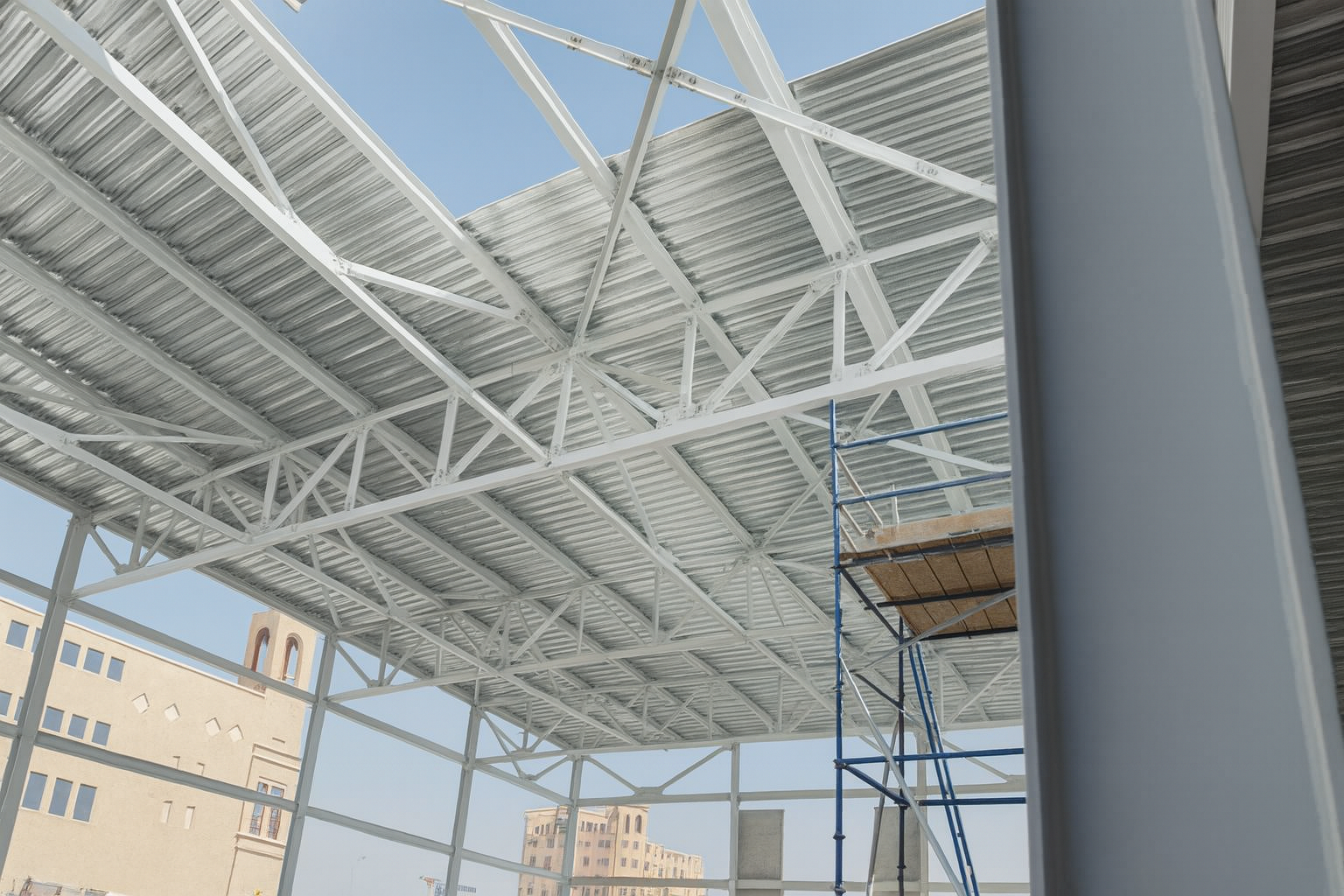 Wind does not affect a building in only one direction. It creates different types of forces that engineers must consider during design.
The first force is wind pressure, which pushes directly against exposed surfaces. This pressure affects walls, columns, and structural frames.
The second force is wind suction, which occurs when wind flows over roofs and creates lifting forces. Roof systems are especially important because improper design can lead to uplift problems during strong winds.
Wind can also create lateral forces that cause buildings to move horizontally. Steel structures require proper bracing systems and strong connections to transfer these forces safely to the foundations.
Industrial structures such as warehouses, factories, and open-frame facilities often require detailed wind analysis because their large dimensions and unique configurations can significantly influence wind behavior.
Key Factors Considered in Industrial Steel Structure Wind Load Design
Wind load design is not based on a single calculation. Engineers consider multiple factors to develop a safe and efficient structural solution.
Building Location and Environmental Conditions
The location of the project plays an important role in determining wind design requirements. Structures located in open areas, coastal regions, or locations exposed to strong winds may experience higher wind forces compared with protected urban environments.
Terrain characteristics, surrounding buildings, and natural barriers can influence wind behavior around the structure.
Building Shape and Geometry
The shape of an industrial building affects how wind flows around it. Large flat surfaces may experience higher pressure, while irregular designs may create complex wind patterns.
Engineers analyze:
- Building height.
- Roof slope.
- Structural configuration.
- Openings and ventilation areas.
- External attachments.
A proper understanding of building geometry helps reduce unnecessary reinforcement while maintaining safety.
Structural System and Bracing Design
Steel structures rely on properly designed frames and bracing systems to resist wind forces.
Bracing elements help transfer horizontal loads through the structure and prevent excessive movement. The design of these components must be carefully calculated to achieve the required balance between strength and material efficiency.
Engineering Standards and Wind Load Calculations for Steel Structures
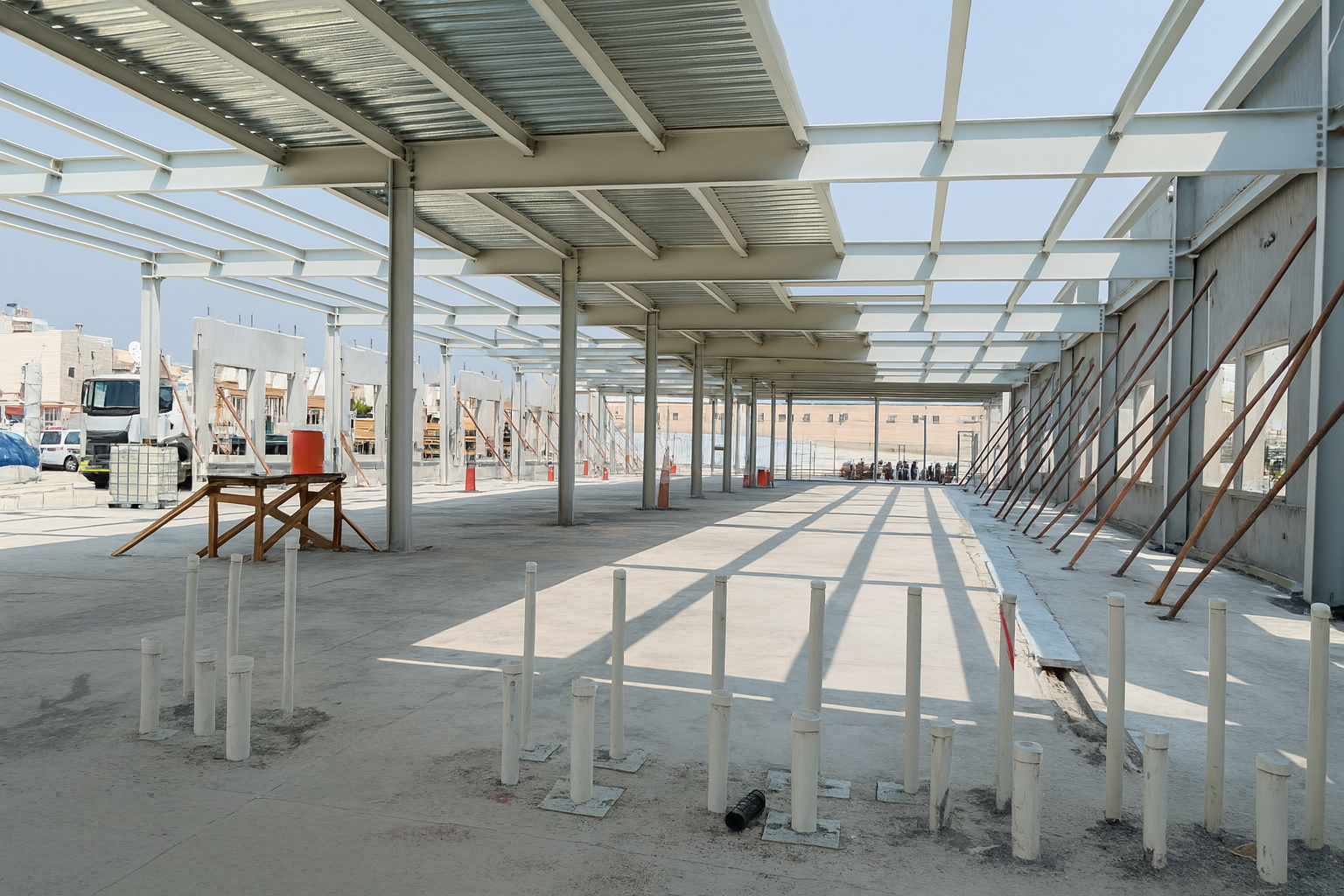 Professional steel structure design follows recognized engineering standards that define how wind forces should be calculated and applied.
Wind load calculations typically consider factors such as wind speed, exposure conditions, pressure coefficients, and structural importance. Standards such as ASCE-based methods and local building codes provide guidelines for evaluating wind effects on structures.
Engineers use these calculations to determine:
- Required steel member sizes.
- Connection strength.
- Foundation requirements.
- Roof and wall system specifications.
Accurate calculations are essential because underestimating wind loads can compromise safety, while excessive reinforcement can increase project costs unnecessarily.
The Role of Steel Fabrication Quality in Wind-Resistant Structures
Even the best structural design requires high-quality fabrication to achieve the intended performance.
Steel components must be manufactured with precision to ensure that beams, columns, and connections fit correctly during assembly. Poor fabrication quality can affect structural alignment and reduce the effectiveness of wind resistance systems.
Professional fabrication includes:
- Accurate cutting and shaping of steel components.
- High-quality welding.
- Proper surface treatment.
- Quality inspections before installation.
A reliable steel structure contractor ensures that manufacturing processes follow approved engineering drawings and project specifications.
How EuroSys Supports Industrial Steel Structure Projects in Saudi Arabia
EuroSys provides integrated steel structure solutions designed to meet the requirements of industrial and commercial projects in Saudi Arabia. The company supports clients through different stages, including engineering design, fabrication, and installation.
Through its steel structures services, EuroSys focuses on delivering durable structures suitable for demanding environments where safety, accuracy, and long-term performance are essential.
The company’s capabilities include:
Structural Engineering and Design
EuroSys develops customized solutions based on project requirements, site conditions, and operational needs. Proper engineering ensures that steel structures are designed to handle expected loads, including wind forces.
Steel Fabrication and Manufacturing
High-quality fabrication plays a major role in achieving structural reliability. EuroSys provides professionally manufactured steel components designed for accurate installation and long-term performance.
Installation and Project Execution
Professional installation ensures that all structural components are assembled correctly according to approved designs. Proper execution is essential for maintaining structural stability and safety.
Applications of Wind-Designed Industrial Steel Structures
Industrial steel structures with proper wind load design are used across various sectors in Saudi Arabia.
Manufacturing Facilities
Factories require strong and stable structures capable of supporting heavy machinery, production lines, and operational equipment.
Warehouses and Logistics Centers
Large warehouses depend on steel structures because they provide wide spaces without excessive internal columns. Proper wind design ensures that these facilities remain safe under changing weather conditions.
Energy and Industrial Plants
Energy projects require specialized steel structures that meet strict safety requirements due to their operational complexity and environmental exposure.
Commercial and Infrastructure Projects
Steel structures are also used in commercial developments, transportation facilities, and public infrastructure projects where durability and flexibility are required.
Why Professional Wind Load Design Improves Long-Term Project Value
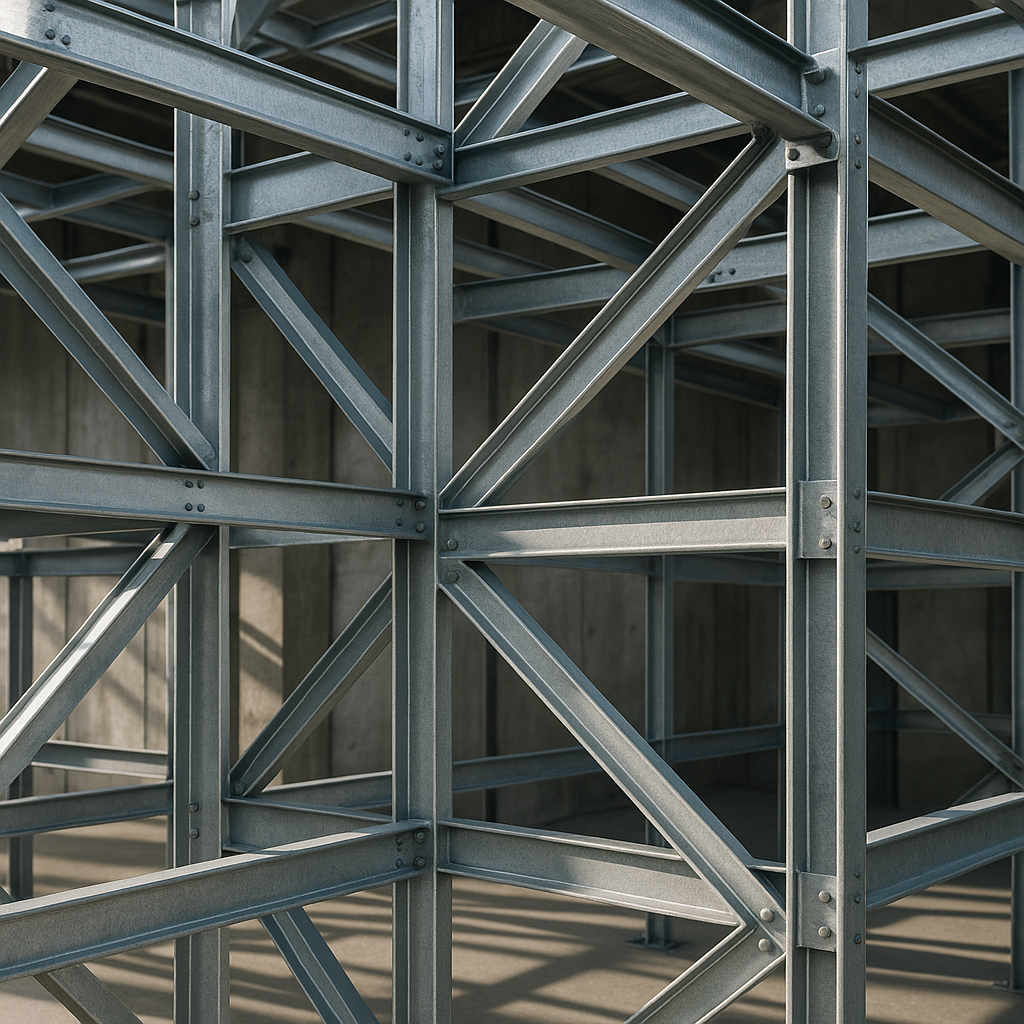 Investing in professional wind load design provides significant long-term benefits. A properly engineered structure reduces the likelihood of structural problems, minimizes maintenance requirements, and improves operational reliability.
Accurate design also helps optimize material usage. Engineers can determine the required strength without unnecessary steel consumption, creating a balance between safety and cost efficiency.
For industrial owners, this means improved asset performance, reduced downtime, and increased confidence in the structural integrity of their facilities.
Frequently Asked Questions About Industrial Steel Structures Wind Load Design
Why is wind load design important for industrial steel structures?
Wind load design ensures that steel structures can safely resist wind pressure, suction, and lateral forces without compromising stability or performance.
What factors affect wind loads on industrial buildings?
Wind speed, building location, height, shape, surrounding environment, and structural configuration all influence wind load calculations.
Are industrial steel structures suitable for Saudi Arabia’s climate?
Yes. When properly designed and fabricated, steel structures can provide excellent durability in Saudi Arabia’s demanding environmental conditions.
How do engineers calculate wind loads for steel structures?
Engineers use structural analysis methods that consider wind speed, exposure conditions, pressure coefficients, and building characteristics according to recognized standards.
Can wind load design reduce construction costs?
Yes. Accurate engineering prevents unnecessary reinforcement while ensuring that the structure meets safety requirements.
Does EuroSys provide industrial steel structure design and installation services?
Yes. EuroSys provides complete steel structure solutions, including engineering, fabrication, and installation for industrial and commercial projects in Saudi Arabia.
Industrial steel structures require careful wind load design to ensure safety, durability, and long-term performance. In Saudi Arabia’s challenging climate, accurate engineering is essential to protect industrial facilities from wind-related risks while optimizing construction efficiency.
From structural calculations and material selection to fabrication and installation, every stage contributes to the final quality of the project.
Ready to Start Your Next Project?
Get a free consultation and a detailed quote from EuroSys for Metal Industries. We handle design, fabrication and installation, from concept to handover.
By working with an experienced provider such as EuroSys, businesses can benefit from professionally designed steel structures that meet industrial requirements and provide reliable performance in demanding environments.
Related Articles: