

Choosing a finish for metal structures, canopies, or decorative panels comes down to one question: how do you specify ral colour powder coating so the result matches what you actually pictured? The direct answer is simple. Select a physical colour reference, note its RAL collection and code, and pass that information to the coating provider. From there, confirm the powder formulation, gloss level, surface texture, metal substrate, and exposure conditions separately, since a code alone does not describe the full finish.
Ready to Start Your Next Project?
Get a free consultation and a detailed quote from EuroSys for Metal Industries. We handle design, fabrication and installation, from concept to handover.
Vague descriptions like “dark grey” or “sandy beige” leave too much open to interpretation between designers, fabricators, and coating teams. A RAL code removes that guesswork and gives everyone involved a shared, exact reference point. The sections ahead walk through how colour selection works, why sample approval matters before full production, and what details belong in a complete quotation request.
How do you specify RAL colour powder coating?
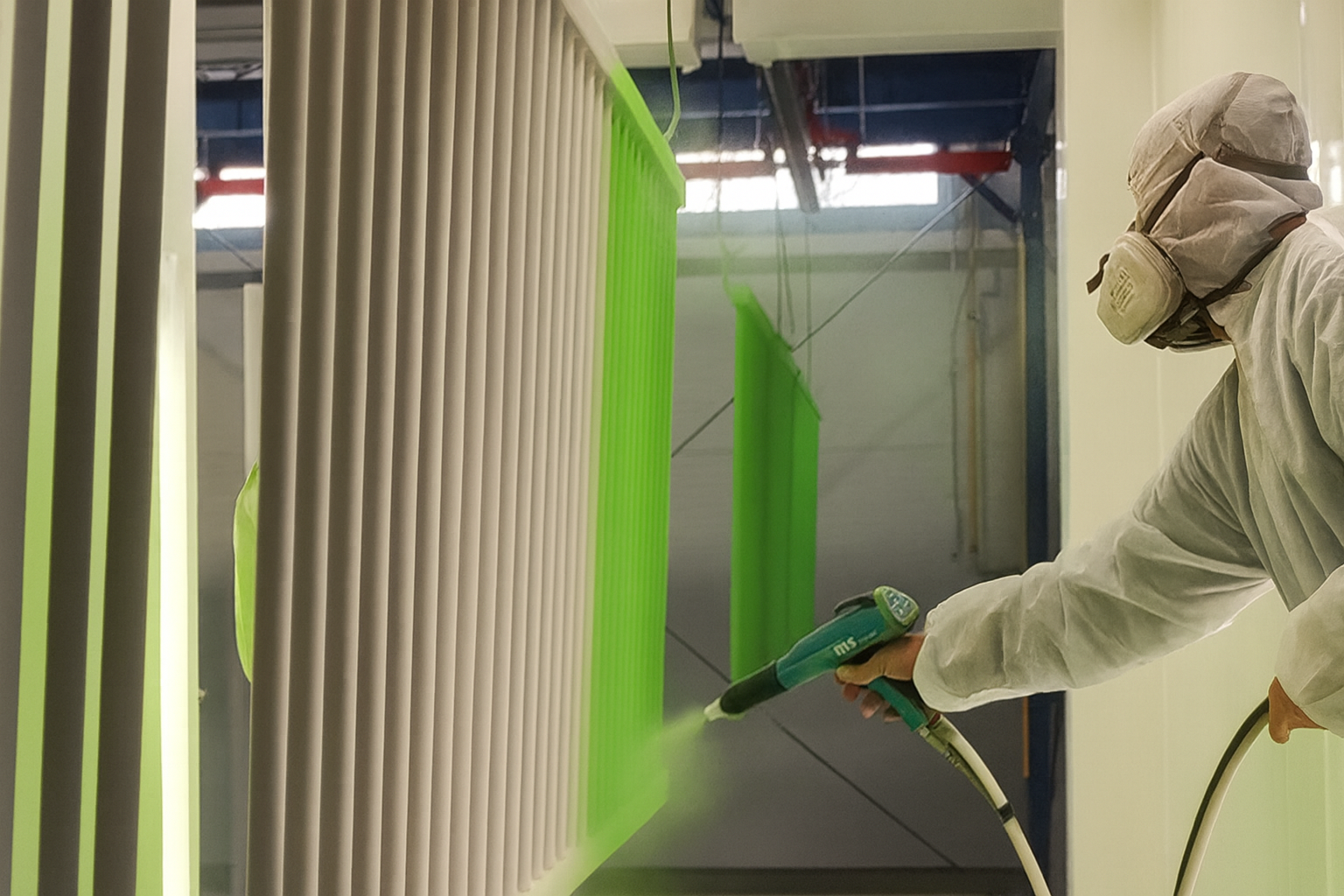 Specifying RAL colour powder coating correctly means defining the colour reference, the finish, and the coating system together, then confirming all of it with a physical sample. Each element affects how the finished metal surface will actually look once installed.
Identify the RAL collection and colour code
RAL itself defines colour references rather than manufacturing the powder coatings — it sets the standard that coating formulators work against. There are distinct collections within this standard, including RAL CLASSIC, RAL DESIGN SYSTEM plus and RAL EFFECT, and each has its own numbering logic.
- Always record the collection name alongside the code, not just the code alone.
- Four-digit codes are commonly associated with RAL CLASSIC, so you should not assume every RAL reference follows that same four-digit format.
- Mixing up collections can lead to selecting the wrong colour reference entirely, even if the code looks correct.
Specify the gloss, texture and coating system
A RAL code only defines colour — it does not describe how the surface will look or perform once applied. A complete specification needs several additional details beyond the colour reference itself.
- Gloss level: state whether the finish should appear matte, satin, or high gloss, since the same RAL code can look different at each gloss level.
- Surface texture: clarify whether the coated metal should be smooth or textured, as texture changes both appearance and feel.
- Powder formulation: note the specific coating system being used, since different formulations behave differently in application and durability.
- Indoor or outdoor suitability: confirm whether the coating is intended for interior use or exterior exposure, as this affects which formulation is appropriate.
- Availability confirmation: any combination of colour, gloss, texture and formulation should be confirmed with the provider before finalizing the coating specification.
These details matter for projects that need to follow architectural powder coating standards, where consistency across large structures is essential.
Approve a physical sample before production
Consulting a physical RAL reference is the most reliable way to confirm a colour reference before committing to production. Where appearance is critical, approving a coated sample on a comparable metal substrate removes any guesswork.
A screen image or standard printout should never serve as final approval. Display settings, printing processes and ambient lighting can all shift how a colour reference and gloss level actually appear compared to the finished powder-coated metal.
Electrostatic powder coating for metal projects
RAL colour powder coating is applied through an electrostatic process that bonds a dry, durable finish to metal surfaces, and the right RAL shade is chosen as part of the overall project specification rather than as a standalone cosmetic decision.
Electrostatic Powder Coating for Metal
Electrostatic powder coating works by charging dry powder particles and applying them to a grounded metal surface, where they adhere before being cured under heat into a hard, even layer. This process suits structural steel, shade structures, fencing, decorative panels, and other metalwork that needs a consistent, long-lasting finish.
Selecting a RAL colour is only one part of a correctly specified coating. The surface preparation stage, often referred to as powder coating pretreatment, directly affects how well the chosen colour adheres and performs over time on the finished structure.
A properly specified powder coating project typically accounts for the following factors alongside the RAL colour itself:
- Substrate type: the base metal (steel, aluminum, or other alloys) influences how the powder bonds and cures.
- Surface preparation: pretreatment steps remove contaminants and improve adhesion before the coating is applied.
- Application environment: indoor or outdoor exposure affects which coating properties are prioritized for the project.
- Structural use: elements like shade structures, fencing, and decorative laser-cut panels may call for different coating considerations based on their function.
- Colour consistency: RAL colour codes allow for standardized, repeatable results across batches and project phases.
Coordinating fabrication with electrostatic powder coating allows colour, substrate, and surface preparation to be addressed together as part of a single project specification. Include these details when requesting a technical consultation or quote for metal fabrication and powder coating.
Choosing a RAL colour for metalwork
Selecting the right shade for fabricated steel is not a matter of picking a swatch at random. It depends on the setting where the structure will stand, the size of the visible surface, and how the finish behaves under real-world light rather than in a showroom.
Compare colour references under project lighting
A RAL colour chart for metal can look noticeably different indoors versus outdoors, and even more so under direct sun compared to shaded areas. This matters most for large, prominent elements such as:
- Gates and screens: these surfaces catch light from multiple angles throughout the day, so shade shifts become more visible.
- Structural components: beams, columns and panels installed in open-air settings should be reviewed against daylight similar to the final site conditions.
- Decorative panels: laser-cut designs rely on contrast and tone, so lighting checks help confirm the chosen shade reads as intended once mounted.
Reviewing physical references on-site, rather than relying on digital previews, gives a far more reliable sense of the final appearance.
Coordinate colours across fabricated components
Projects involving multiple parts or staged production benefit from approving a coated reference panel before full-scale work begins. This reference should record the exact collection, code and finish type used, so every batch produced at different times can be checked against the same standard. This step supports consistent metal fabrication colour selection across canopies, shades, barriers and structural frames delivered over separate phases.
It is worth distinguishing between choosing a standard catalogue colour and matching an existing painted component. Matching an existing part calls for a physical sample and confirmation that the proposed coating can achieve the required visual match, since catalogue references alone may not account for prior weathering or finish variations on the original surface.
Why can identical RAL codes look different?
Two surfaces carrying the same RAL code can still look noticeably different, and this comes down to appearance variables rather than any change to the colour reference itself. Gloss level, texture, lighting, and the substrate underneath all influence how a finish reads to the eye, which is why ral colour powder coating results should always be judged under matched conditions.
How gloss and texture affect colour perception
A matte finish and a high-gloss finish in the same RAL code will reflect light differently, which changes how saturated or flat the colour appears. Textured surfaces and metallic effects add further variation, since they scatter light instead of reflecting it evenly. These are differences in finish characteristics, not in the underlying colour code.
How substrates and lighting change the comparison
The condition of the substrate, how it was prepared, any primer or underlying layer, coating thickness, and the application conditions at the time of spraying can all shift the final appearance. Readers comparing a sample chip against a finished part should view both under identical lighting — this distinction is covered in more depth in our comparison of powder coating vs wet paint, where finish behavior across methods is explained further.
Why a reference panel matters across batches
On phased or multi-stage projects, keeping an approved coated panel on hand gives a consistent point of comparison for colour matching as work progresses. Sharing a RAL code does not guarantee an exact visual match between separate production batches, since gloss level and batch consistency can shift slightly between coating runs. A retained reference panel remains the most reliable way to track a powder coating finish across stages of a project.
What should outdoor metal coating specifications include?
A complete coating specification identifies the metal substrate, its surface condition, and the exposure conditions the finished part will face, so the provider can match surface preparation and coating requirements to the project. Covering these points before work begins avoids mismatched finishes and repeat applications.
Identify the metal and its surface condition
- Metal type: state clearly whether the parts are steel, aluminium or galvanized metal, since each substrate calls for a different preparation approach.
- Surface history: note whether the metal is new, rusted or previously coated, as this affects how much surface preparation is needed before applying outdoor powder coating.
- Edges and openings: record edges, openings and concealed areas separately, since these spots often need extra attention during preparation and application.
- Reference comparison: for projects weighing different protective methods, reviewing galvanizing vs powder coating can help clarify which approach suits the metal substrate and setting.
Define exposure and inspection requirements
- Location: specify whether the structure sits indoors or outdoors, since this shapes the coating formulation and preparation process the provider recommends.
- Weather and sunlight: describe the relevant weather conditions and sunlight exposure the parts will face, without assuming that picking a RAL colour powder coating code alone determines corrosion or weathering performance.
- Thickness and adhesion checks: list coating-thickness and adhesion checks as discussion points with the provider, and record any acceptance criteria directly in the project specification rather than relying on generic figures.
- Clear terminology: use consistent wording such as outdoor powder coating, metal substrate, surface preparation and coating requirements throughout the specification so every party involved interprets the scope the same way.
Recommended products from EuroSys
EuroSys offers an integrated range of metal fabrication and finishing services, built on experience dating back to 2013 and backed by an in-house manufacturing facility equipped for cutting, welding, forming, and assembly. Among the services it provides is electrostatic powder coating, carried out as part of its broader design-to-installation workflow for structural and architectural steelwork. Reach out to EuroSys for a technical consultation or quote on your metal coating project.
Electrostatic Powder Coating for Metal
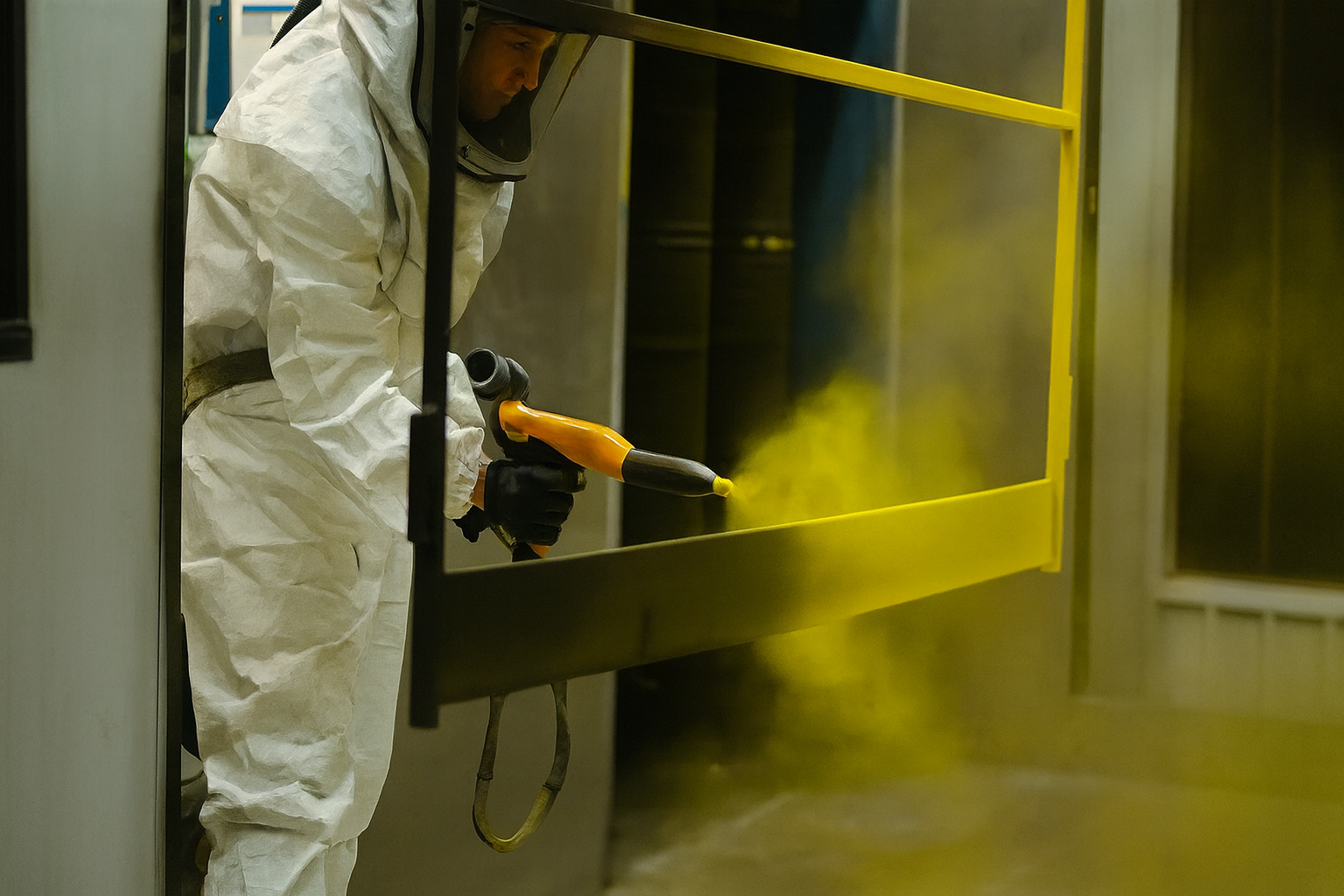 This service covers powder coating for iron and other metal surfaces, intended for structural frames, panels, and fabricated components. The process starts with surface preparation, followed by electrostatic powder application, and finishes with quality checks on coating thickness and adhesion.
The resulting finish is designed to protect metal surfaces from rust and weather exposure while delivering a consistent, uniform appearance across the treated piece. This makes ral colour powder coating a practical choice for components that need both durability and a clean finished look, whether used on car shades, light steel structures, or decorative metal elements.
You can review the details of this Electrostatic Powder Coating for Metal service directly through the store.
Frequently asked questions about RAL powder coating
Here are answers to common questions about ordering and matching RAL powder coating.
Is a RAL code enough to order powder coating?
No, a RAL code alone is not enough. The RAL collection and code should be specified alongside gloss level, texture, substrate type and coating requirements.
Are all RAL colours available as powder coatings?
No, not all RAL colours are automatically available as powder coatings, so the requested colour and finish combination should be confirmed with the provider before the order is approved.
Can a coated metal sample be colour-matched?
Yes, a physical coated sample can serve as a matching reference, though the achievable result should still be confirmed with the provider.
Will separate batches with the same code look identical?
Not necessarily, since finish, application and lighting conditions can affect appearance, so it helps to compare batches against an approved coated reference when consistency matters.
Conclusion
Ready to Start Your Next Project?
Get a free consultation and a detailed quote from EuroSys for Metal Industries. We handle design, fabrication and installation, from concept to handover.
A successful RAL colour powder coating request comes down to combining a precise colour reference with an agreed finish, a suitable coating specification and an approved physical sample where needed. Getting these elements right from the start helps avoid mismatched tones and ensures the final result meets project requirements. You are invited to send your drawings and project requirements to request a quotation or technical consultation. For your powder coating needs, reach out to EuroSys.
Read also