

Metal fabrication is the process of turning raw metal stock into finished parts and structures through cutting, forming, joining, assembly, and finishing. The methods, tools, and materials used in any given job depend on the required shape, the loads a structure needs to carry, the environment it will operate in, and how it ultimately needs to be installed on site. From steel structures and platforms to stairs, railings, and custom components, fabrication is behind nearly every metal element you encounter in industrial, commercial, and residential settings.
Ready to Start Your Next Project?
Get a free consultation and a detailed quote from EuroSys for Metal Industries. We handle design, fabrication and installation, from concept to handover.
Understanding how this process works matters whether you’re planning a large-scale structure or a smaller custom piece. The choices made at each stage — material selection, cutting method, joining technique, and finishing process — directly affect durability, appearance, and how well the final product performs under real conditions. What follows covers the core stages of fabrication, common material options, typical applications, and the key factors that shape how a project comes together from start to finish.
What Is Metal Fabrication?
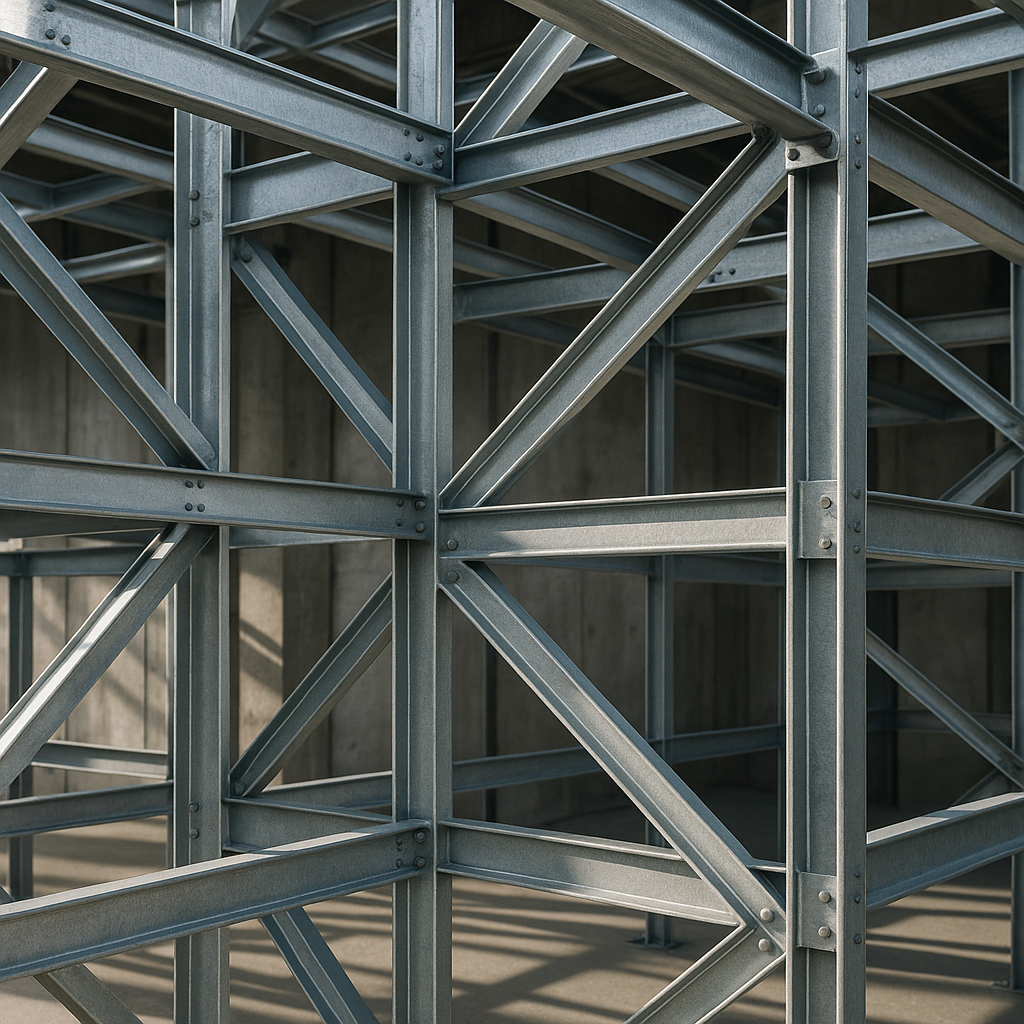 Metal fabrication is the process of creating parts, assemblies, or complete structures from existing metal stock such as sheets, plates, bars, and tubes. Beyond cutting and shaping, a typical fabrication process can also involve machining, fastening, dimensional inspection, and surface finishing to bring a component to its final, usable form.
It helps to separate a few related terms that often get used interchangeably. Metalworking is the broader field covering any shaping or joining of metals, while fabrication focuses specifically on producing finished parts or assemblies from stock material. Metal manufacturing is a wider production chain that may also include casting or other primary forming methods upstream of fabrication. Structural steel fabrication sits within this field as a specialized category, concerned with load-bearing components used in buildings, canopies, and other structural work. Once these distinctions are clear, the terms fabricated steel structures and custom metal components describe the practical outcomes of the process — parts and assemblies built to match a project’s specific engineering and dimensional requirements.
How Does the Metal Fabrication Process Work?
The process follows a defined sequence: planning and material preparation, cutting and forming, joining and assembly, then finishing and inspection. Each stage builds on the previous one, so accuracy early in the process determines how well the finished structure performs on site.
Planning, Drawings and Material Preparation
Before any material is touched, the intended use of the structure has to be clearly established. This stage sets the foundation for everything that follows in steel fabrication.
- Drawings and dimensions: Detailed drawings define the exact shape, size, and tolerances required for each component.
- Loads and site conditions: Expected loads, environmental exposure, and installation site conditions are reviewed before material selection.
- Quantities and finish requirements: The number of pieces needed and the required surface finish are confirmed in advance.
- Feasibility review: Components are checked to confirm they can realistically be fabricated, transported, and installed as drawn.
Cutting and Forming Metal Stock
Once planning is complete, sheets, plates, bars, or tubes are cut to the shapes defined in the drawings. The cutting method chosen depends on material thickness, precision needs, and the complexity of the shape.
- Sawing and shearing: Suited to straight cuts on bars, plates, and simpler profiles.
- Laser cutting: Delivers precise, clean edges, often used for decorative panels and detailed patterns.
- Plasma cutting: Handles thicker metal stock efficiently where extreme precision isn’t the priority.
- CNC equipment: Produces repeatable, accurate cuts across multiple identical pieces.
- Forming: Bending, rolling, and pressing reshape a cut piece into the curves, angles, or profiles the design calls for.
Joining and Assembling Components
After cutting and forming, individual pieces are joined into complete assemblies. The joining method is selected based on several practical factors rather than a single standard approach.
- Welding: Creates a permanent bond, commonly chosen for structural strength and continuous joints.
- Mechanical fastening: Bolts and other fasteners allow joints that can be dismantled or adjusted later.
- Material and thickness: The metal type and gauge influence which joining method is practical.
- Strength and appearance: Required load capacity and visible finish quality both factor into the decision.
- Inspection needs: Some projects require joints that remain accessible for review or future maintenance.
Surface Finishing and Final Inspection
The final stage addresses both appearance and durability. Sharp edges and excess weld material are removed, and the assembled structure undergoes dimensional checks against the original drawings.
- Edge and weld cleanup: Rough edges and weld spatter are smoothed for safety and a consistent finish.
- Dimensional inspection: Measurements are reviewed against project documents to confirm accuracy.
- Joint review: Welded and fastened joints are checked for quality before the piece moves forward.
- Surface preparation: The metal surface is prepared according to the finish specified in the documentation.
- Protective coating: Painting, powder coating, or galvanizing is applied depending on the metal type, exposure conditions, and project requirements.
Which Materials Are Used in Metal Fabrication?
Fabrication relies on a range of base materials, each chosen according to structural load, exposure conditions, and the finish applied afterward. Material selection should always follow engineering requirements rather than general assumptions about strength or durability.
Carbon and Structural Steel
Carbon or structural steel is commonly considered for frames, beams, and other load-bearing components due to its strength and workability. The specific grade and section profile are selected based on the project’s engineering requirements, not as a fixed default across all applications.
Stainless Steel and Aluminum
Stainless steel becomes a relevant option when corrosion resistance or visual finish matters, particularly in exposed or decorative elements. Aluminum is often considered when reducing structural weight is a priority. Neither material should be treated as universally suitable for every structural application, since each carries different strength, cost, and fabrication characteristics that depend on the specific project scope.
Galvanized Steel and Protective Finishes
Galvanized steel is steel with a protective zinc coating; it is not necessarily structural steel, and the coating may be applied by methods other than hot-dip galvanizing. This distinction matters because material selection and finish selection are two separate decisions. A fabricated steel component can also be finished through painting, powder coating, or hot-dip galvanizing, depending on exposure conditions and maintenance expectations, and projects located in humid or marine environments often require closer attention to steel corrosion protection coastal measures.
Comparing these options involves weighing several factors together rather than any single criterion.
- Required strength: load-bearing components typically call for structural steel sections sized to the engineering design.
- Weight: aluminum reduces overall structural weight compared with steel alternatives.
- Exposure: coastal, humid, or chemically active environments increase the importance of corrosion resistance and protective coatings.
- Maintenance: some finishes require more frequent upkeep than others depending on environmental exposure.
- Appearance: stainless steel and certain coated finishes are often selected for visible or decorative elements.
- Fabrication method: cutting, welding, and forming processes vary depending on the material and section thickness involved.
- Project budget: material and finish choices are ultimately balanced against the overall project scope and specifications.
No specific grade, thickness, or performance outcome should be assigned without reviewing the project’s engineering documentation, since each structure carries its own load and exposure conditions.
Where Is Metal Fabrication Used?
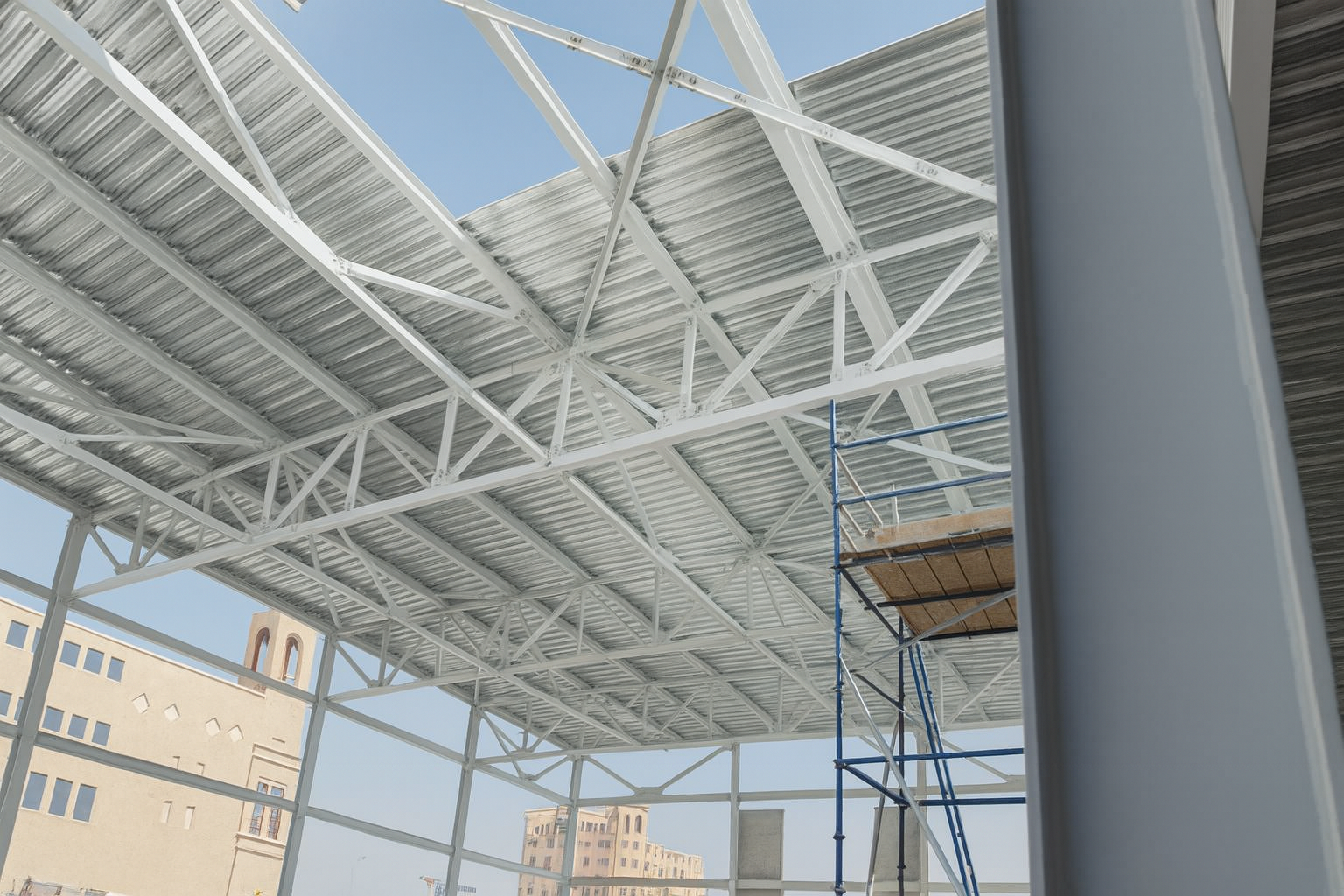 Fabrication applies to a wide range of projects, from industrial facilities to public spaces and custom site components. The scope depends on structural requirements, layout, and the function each piece needs to serve.
Industrial Facilities and Warehouses
Industrial fabrication covers factory and warehouse frames, equipment supports, and other fabricated building components designed to match a facility’s layout and operating needs. Every piece is produced to fit the specific dimensions and load conditions of the site where it will be installed.
Commercial Buildings and Public Projects
Commercial buildings and public projects often call for custom steel structures, architectural elements, or site-specific assemblies. These components are coordinated with the building’s design and with installation access, since fitting into an existing structure requires careful planning before fabrication begins.
Platforms, Stairs and Custom Components
Fabrication also produces individual components and larger assemblies alike, including platforms, stairs, railings, and custom frames. Each project requires structural loads and installation conditions to be established beforehand, since these factors determine the materials, thickness, and jointing methods used in the final piece.
Metal and Steel Structures for Saudi Projects
Metal fabrication for structural applications covers the design, manufacturing, finishing, and installation of steel frameworks built to support industrial, commercial, and public facilities across Saudi Arabia.
Metal and Steel Structures
Light- and medium-duty metal structures form the backbone of many factories, warehouses, and commercial facilities, offering a faster and more adaptable alternative to traditional concrete builds. Steel-based construction supports a wide range of industrial and public-sector needs, from storage warehouses to processing facilities, and can be tailored to fit specific site conditions and operational demands. For a closer look at how steel compares to other building methods, see this breakdown of steel structures vs concrete structures.
Metal structure projects typically involve several coordinated phases:
- Custom design: Structures are engineered according to the intended use, site layout, and load requirements of each project.
- Fabrication: Steel components are manufactured to match approved drawings and specified grades.
- Finishing: Surface treatments are applied based on the environmental exposure and durability needs of the structure.
- On-site installation: Fabricated components are assembled and installed directly at the project location.
Before requesting a proposal, it helps to prepare a clear description of the intended use, technical drawings, expected loads, and site conditions. Specifying the required finish also allows the fabrication process to be aligned precisely with the project’s needs, since final dimensions, steel grades, and configuration vary according to each project’s requirements.
Recommended products from European Systems
European Systems Store brings together engineering, metal fabrication, and installation under one roof, drawing on experience built since 2013 and a manufacturing facility equipped for cutting, welding, forming, and assembly. Among the services it delivers is steel structures work carried out as an approved supplier to major entities such as Aramco, NEOM, Qiddiya, SABIC, the Red Sea project, and the Royal Commission. Reach out to the team for a technical consultation or a project quote.
Metal and Steel Structures in Saudi Arabia
Metal and Steel Structures cover custom design, fabrication, finishing, and on-site installation of light- and medium-duty structures for industrial, commercial, and public projects across the Kingdom, including factories and warehouses.
The workflow starts with structural design that accounts for wind-load calculations, followed by fabrication of columns, beams, girders, and crane components. Surface treatment through hot-dip galvanizing and painting follows before the structure is installed on-site.
This fabrication service has been offered since 2013, with manufacturing carried out at a company-owned facility in Al Khobar. Exact dimensions, steel grades, finishes, and configurations are defined according to each project’s specific requirements.
Frequently Asked Questions About Metal Fabrication
Here are answers to some common questions about fabrication.
What is meant by metal fabrication?
It refers to the process of turning metal stock into parts or structures through operations such as cutting, forming, joining, and assembly. It covers everything from preparing raw material to producing a finished component ready for use in a larger structure or project.
What does a metal fabricator do?
A metal fabricator interprets technical drawings and specifications, then prepares and shapes metal according to those requirements. This involves joining components together, checking dimensions for accuracy, and helping produce the finished assembly that meets the intended design.
What are the three types of metal fabrication?
A useful way to group the work is into cutting, forming, and joining, which represent the core stages of shaping metal stock into usable parts. Finishing and inspection are also important stages that complete a project and confirm it meets the required standards.
What skills do you need to be a metal fabricator?
Working in fabrication calls for reading technical drawings and taking accurate measurements. It also requires operating fabrication equipment, understanding different joining methods, and following workplace safety procedures throughout each stage of the process.
Ready to Start Your Next Project?
Get a free consultation and a detailed quote from EuroSys for Metal Industries. We handle design, fabrication and installation, from concept to handover.
Metal fabrication works best as a coordinated process, where design requirements guide every decision that follows: the material chosen, the fabrication steps applied, the finish selected, the inspection carried out, and the installation approach used on site. Each stage depends on the one before it, which is why project-specific steel structures call for clear drawings and defined requirements from the start. If you have a structure in mind, share your drawings and requirements with the team at European Systems Store to request a technical consultation or quotation.
Read also