

steel corrosion protection coastal projects require an early assessment of exposure severity before any system is selected. Moisture, chloride-bearing salt deposits, marine spray, condensation, wet-dry cycles, dust, and industrial pollutants can accelerate steel corrosion in Saudi Arabia, especially across Jeddah, Yanbu, Dammam, Khobar, Jubail, ports, oil and gas facilities, desalination plants, bridges, and industrial sites.
Ready to Start Your Next Project?
Get a free consultation and a detailed quote from EuroSys for Metal Industries. We handle design, fabrication and installation, from concept to handover.
Effective coastal steel corrosion protection combines proper surface preparation with a multi-layer protective coating or hot-dip galvanizing. Cathodic protection may also be required for buried, submerged, splash-zone, or intermittently immersed steel. The appropriate marine corrosion protection system depends on distance from the sea, salt spray and seawater exposure, steel type, design details, maintenance access, operating conditions, budget, and applicable project standards.
What Services Are Available?
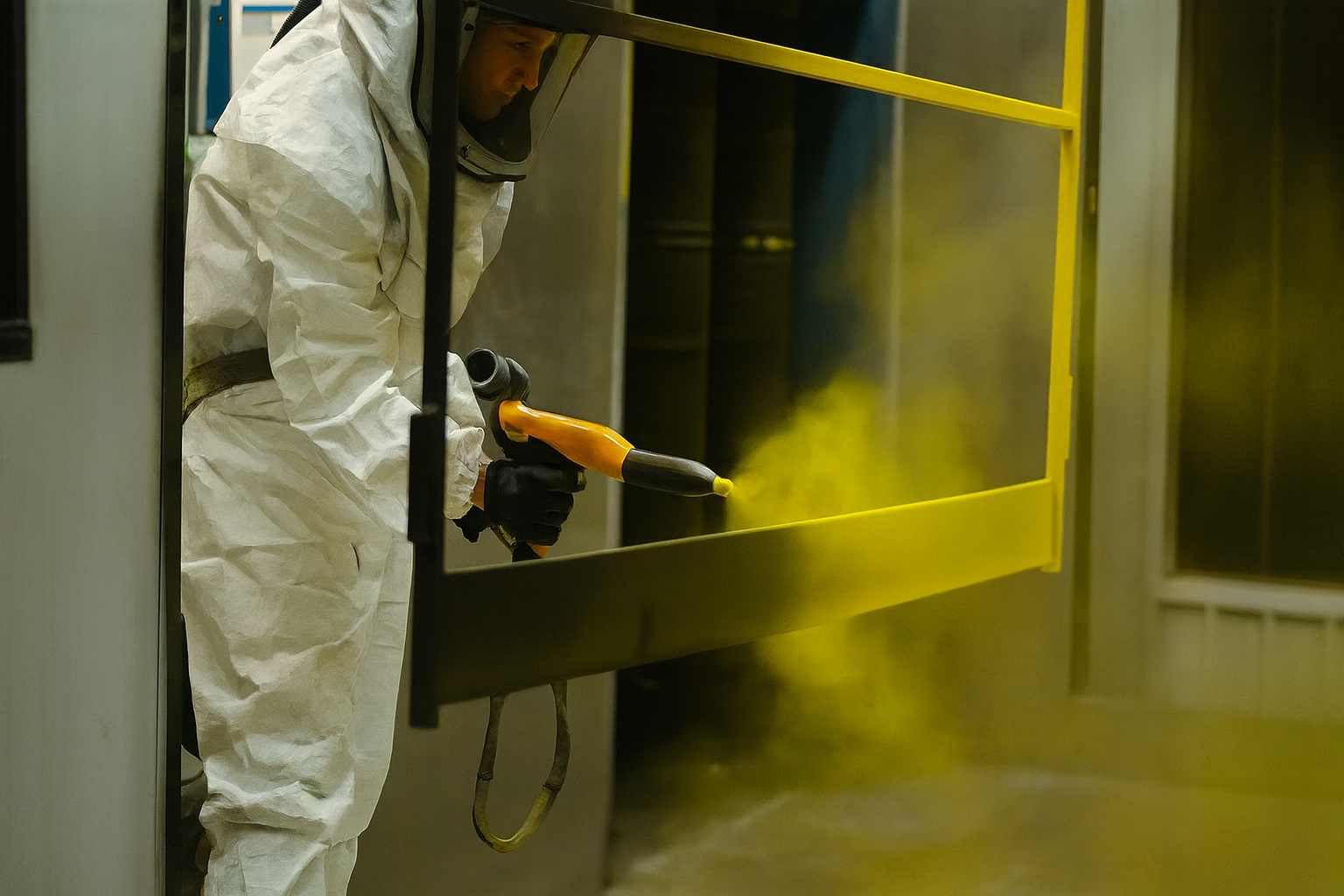
Professional Road Marking Services
Professional Road Marking Services include road planning and lane painting in Saudi Arabia, using high-quality reflective materials and execution aligned with approved specifications. The work is intended for prepared pavement surfaces and traffic-safety marking applications.
Services cover highways, parking lots, industrial areas, and other locations that require clear pavement markings. Before application, surfaces are cleaned and prepared to support proper paint adhesion and consistent results.
- Paint options: Cold paint and thermoplastic paint can be applied according to project requirements, visibility needs, surface conditions, and expected durability.
- Safety requirements: Execution follows general public-safety requirements throughout the marking process.
- Quality control: Inspections and quality checks are conducted across the project lifecycle.
- Completed work: Finished road-marking projects demonstrate the provider’s approach to safety and professional execution.
This service concerns pavement marking and should not be considered a substitute for a structural steel corrosion protection coastal system.
Why Does Coastal Steel Corrode?
How Do Chlorides Act?
Coastal corrosion starts when a thin, conductive film of moisture forms on steel, allowing electrochemical reactions to occur. Chloride contamination from seawater and salt spray dissolves in this moisture, supporting corrosion cells on the metal surface.
Chlorides can remain active after the surface appears dry. When salt-laden humidity, condensation, or fresh moisture returns, these deposits can reactivate marine atmospheric corrosion. This is why steel corrosion protection coastal conditions require attention to salts that may not be visible.
- Chloride ions from seawater and salt spray dissolve into surface moisture and support electrochemical corrosion reactions.
- Marine salts can retain moisture, allowing corrosion to continue under relatively dry-looking conditions.
- Visible dryness does not confirm that steel is free from corrosion risk.
- Wet-dry cycles concentrate salt deposits as water evaporates, creating a more aggressive surface when moisture returns.
- Salt spray exposure is especially significant in areas close to the sea and within the splash zone.
Why Does Wetting Matter?
Longer wetting time gives electrochemical reactions more opportunity to develop on steel surfaces. Relative humidity, surface temperature, shade, ventilation, condensation, rain, spray, and structural design all influence how long moisture remains in contact with the metal.
Repeated wetting and drying can intensify the effect of deposited salts. As water evaporates, salts become more concentrated; when humidity or condensation returns, the surface can again support corrosion activity.
What Changes in Saudi Arabia?
Saudi coastal environments vary considerably between locations. Red Sea cities such as Jeddah and Yanbu, and Arabian Gulf cities such as Dammam, Khobar, and Jubail, may experience different humidity levels, salt loading, wind patterns, temperatures, industrial pollutants, and operating conditions.
High temperatures may accelerate some chemical reactions and increase evaporation. Hot steel can also affect coating application, intercoat intervals, solvent release, and the formation of coating defects.
| Exposure factor | Why it changes corrosion conditions | |—|—| | Distance from the shoreline | It is not a reliable indicator on its own, because salt-laden air can reach structures farther inland. | | Wind direction and local topography | These factors can carry and concentrate marine salts on exposed steel surfaces. | | Marine spray and splash zone conditions | Direct salt spray increases chloride contamination and moisture exposure. | | Desalination plants, cooling towers, and ports | These nearby conditions can increase moisture and salt exposure. | | Industrial emissions | Pollutants can alter the corrosive conditions affecting coastal steel. |
How Is Exposure Classified?
What Does ISO 12944 Cover?
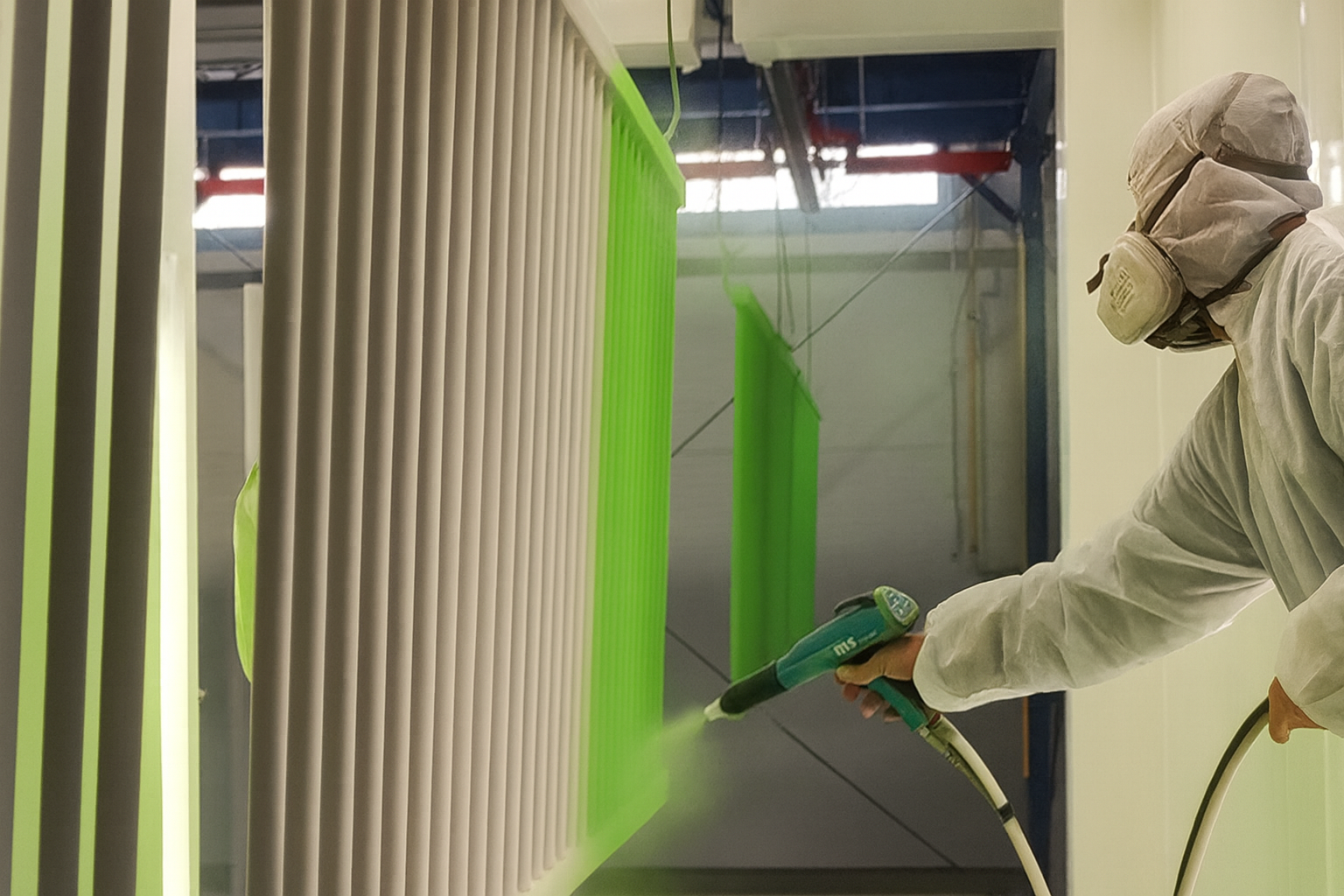 ISO 12944 classifies environments by atmospheric corrosivity and standardized corrosion-loss concepts. It also distinguishes between atmospheric exposure, immersed conditions, and buried conditions, while recognizing that specific factors can increase corrosion severity.
For steel corrosion protection coastal projects, the ISO 12944 coating category should reflect the actual operating environment rather than the location alone. ISO 12944-5 guides coating-system selection according to corrosivity category, surface preparation, and expected durability; severe marine and immersed applications require project-specific review.
When Does CX Apply?
CX marine exposure applies to extremely severe offshore or marine atmospheric conditions that meet the relevant standard requirements. A coastal location does not automatically receive one universal corrosion class, and a C5 coating system should not be selected solely because a structure is near the sea.
Classification depends on chloride deposition, wetting time, humidity, wind-driven spray, condensation, shielding from rain, temperature, industrial pollution, and the actual operating environment. Im4 immersion is considered for structures immersed in seawater or brackish water with cathodic protection.
How Should Sites Be Assessed? (checklist)
- Location: Identify the site’s coastal, offshore, industrial, or other environmental setting.
- Salt spray: Assess exposure to wind-driven salt spray and marine aerosols.
- Chloride deposits: Review the likely level of chloride accumulation on steel surfaces.
- Wetting time: Determine how long surfaces remain wet during normal operation.
- Condensation: Consider the frequency and extent of condensation on the structure.
- Surface temperature: Assess operating and environmental temperatures that affect moisture retention.
- Wind direction: Evaluate prevailing winds that can carry salt spray toward exposed areas.
- Splash and immersion exposure: Identify zones subject to splash, seawater contact, or brackish-water immersion.
- Industrial pollutants: Consider pollutants that may increase corrosion severity.
- Access for inspection: Confirm whether the structure can be inspected throughout its expected service life.
- Expected service life: Define the required duration of protection for the project.
- Maintenance access: Assess whether maintenance can be carried out where and when required.
Which Protection Methods Work?
How Do Coatings Help?
Protective coatings create a barrier between steel and water, oxygen, chlorides, and other contaminants. For steel corrosion protection coastal environments, a complete coating system may include a primer, intermediate coat, and topcoat chosen for the exposure category and service conditions.
Coating performance depends on more than the selected material. Surface preparation and application control directly affect how well the system protects the steel.
- Surface preparation: Steel must be properly prepared, including the removal of soluble salts.
- Application conditions: Coatings must be applied under suitable conditions and at the specified dry-film thickness.
- Layer control: Intercoat timing and curing must be managed correctly throughout the system.
- Inspection and repair: Defects should be identified and repaired to maintain a continuous protective barrier.
When Is Galvanizing Suitable?
Hot-dip galvanizing coats prepared steel with a zinc layer. The zinc provides barrier protection and may also offer sacrificial protection at limited damaged areas.
Galvanizing is often practical for fabricated steel components that can be transported to a galvanizing facility and fully coated before installation. Design and fabrication must account for drainage, venting, dimensions, damaged-area repair, and compatibility with any later coatings.
| Galvanizing | Duplex System | |—|—| | Uses a zinc layer to protect prepared steel. | Combines galvanizing with paint for additional barrier protection. | | Can be suitable where complete coverage is achievable before installation. | May be considered where longer maintenance intervals are required. | | Requires attention to fabrication details, drainage, venting, and repair areas. | Requires compatibility and specification review between the zinc coating and paint system. |
When Is Cathodic Protection Needed?
Cathodic protection is generally considered for buried, submerged, marine, splash-zone, or intermittently immersed structures where coating alone may not provide sufficient protection. It requires engineering design, electrical continuity, monitoring, and maintenance.
It is not a universal replacement for sound coatings or good design. Suitability depends on the electrolyte, structure, geometry, operating conditions, and project requirements. Durability cannot be fixed to a single service-life period, as it varies with the environment, protection system, application quality, steel condition, inspection, and maintenance.
How Should Steel Be Prepared?
Why Is Surface Preparation Critical?
For steel corrosion protection coastal environments, surface preparation must address more than visible rust. The steel should be free from mill scale, old coatings, grease, dust, moisture, weld residues, sharp edges, burrs, corrosion products, and soluble chloride contamination.
Cleaning and abrasive blasting should match the specified coating system and required preparation grade. A single blasting grade should not be treated as suitable for every project without a clear specification.
The design should also be improved before coating. Eliminate water traps, provide drainage, seal or detail crevices appropriately, avoid inaccessible gaps, and reduce areas where salt and dust can collect.
How Are Salts Removed?
- Remove soluble salts before coating, even when the steel appears visually clean.
- Check the surface for remaining salt contamination after cleaning.
- Address chloride contamination because it can cause osmotic blistering beneath the coating.
- Ensure salts are removed to reduce the risk of renewed corrosion under the protective coating.
Which Application Conditions Matter?
Before applying a coating, verify surface cleanliness, surface profile, steel temperature, ambient temperature, relative humidity, and dew point. The steel surface must remain sufficiently above the dew point to prevent condensation during preparation and coating.
Follow the coating manufacturer’s product data for mixing, thinning, application method, curing time, recoat windows, temperature limits, humidity limits, and dry-film thickness.
- Confirm that the surface is clean and has the required profile before coating.
- Check that steel and ambient temperatures are within the product requirements.
- Monitor relative humidity and dew point to prevent moisture condensation on the steel.
- Apply each coat within the stated minimum and maximum recoat windows.
- Inspect every coat before the next stage.
- Repair holidays, pinholes, runs, sags, under-thickness areas, mechanical damage, and poorly coated edges.
Frequently Asked Questions
How do you protect steel from corrosion?
Steel corrosion protection coastal conditions requires suitable design details, removal of contaminants and soluble salts, and correct surface preparation. Apply the specified coating or galvanizing system, consider cathodic protection for buried or immersed steel, and maintain the structure through inspection and repair.
Does steel corrode in saltwater?
Yes. Saltwater contains moisture and dissolved chlorides that support electrochemical corrosion. The corrosion rate depends on temperature, oxygen, wetting time, flow, exposure pattern, steel condition, and the protection system used.
What is corrosion in coastal communities?
Corrosion in coastal communities is the deterioration of metals caused by moisture, marine salts, humidity, spray, condensation, wet-dry cycles, and sometimes industrial pollutants. It can affect buildings, bridges, ports, pipelines, vehicles, and industrial equipment.
What are the best corrosion protection coatings for steel?
The appropriate coating system depends on the exposure category and the structure. Common options include multi-layer primer, intermediate, and topcoat systems, zinc-rich or compatible protective systems, galvanized steel with or without an overcoat, and specialized systems for severe marine or immersed conditions.
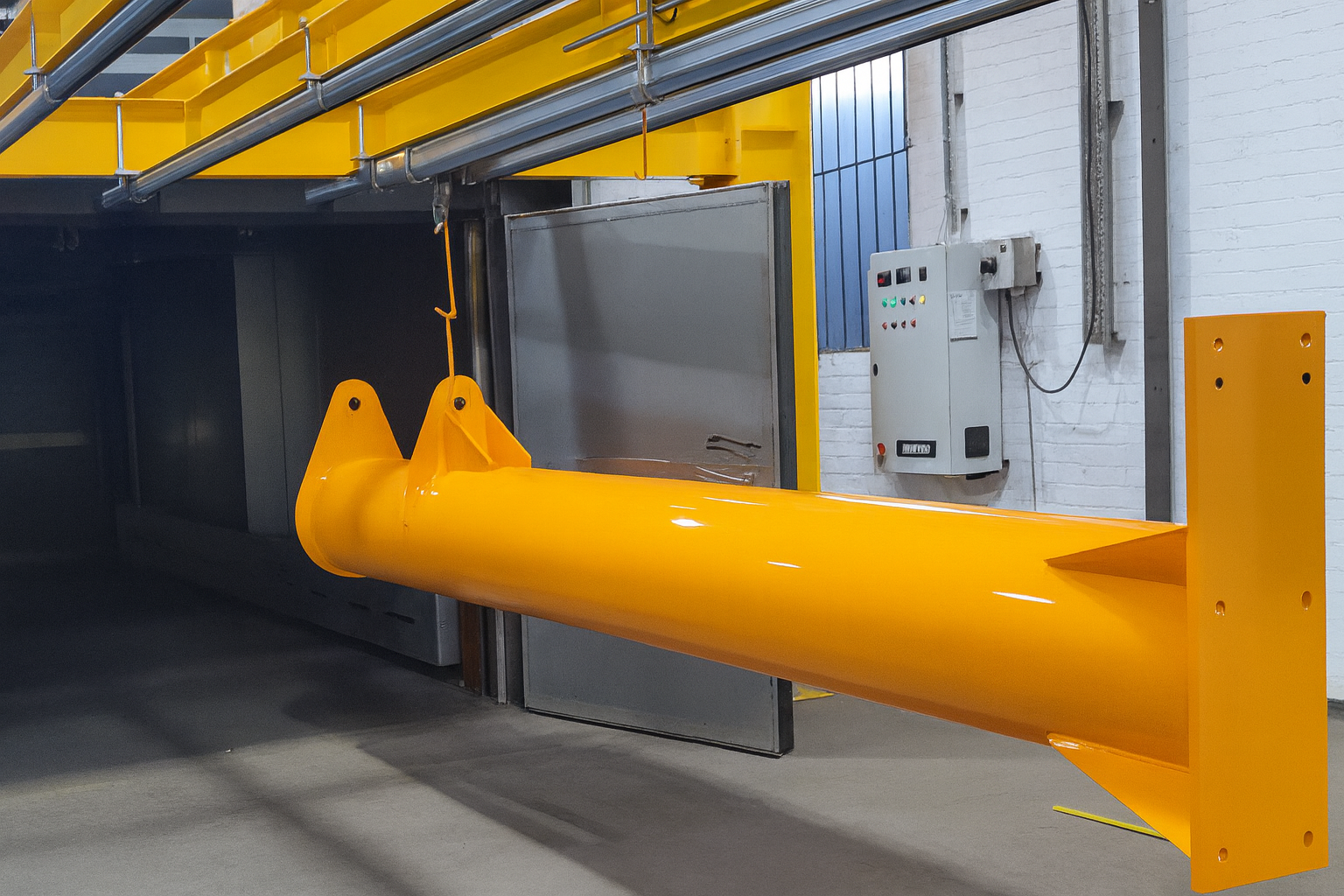
Reliable steel corrosion protection coastal projects in Saudi Arabia begin with assessing the actual exposure rather than selecting a generic paint system. Effective protection combines corrosion-resistant design, verified surface preparation, suitable coatings or galvanizing, cathodic protection where technically appropriate, and scheduled inspection and maintenance.
Ready to Start Your Next Project?
Get a free consultation and a detailed quote from EuroSys for Metal Industries. We handle design, fabrication and installation, from concept to handover.
C5, CX, and Im4 classifications require project-specific evaluation, as Red Sea and Arabian Gulf locations may need different solutions despite both being coastal. Define the exposure, document the specification, confirm application conditions, inspect each stage, and plan maintenance before corrosion creates structural or operational problems.
Related Articles: